Amla in Ayurveda: The Ultimate Rasayana for Immunity, Vitality & Healthy Aging
Amla in Ayurveda: The Ultimate Rasayana for Immunity, Vitality & Healthy Aging
What is Amla?
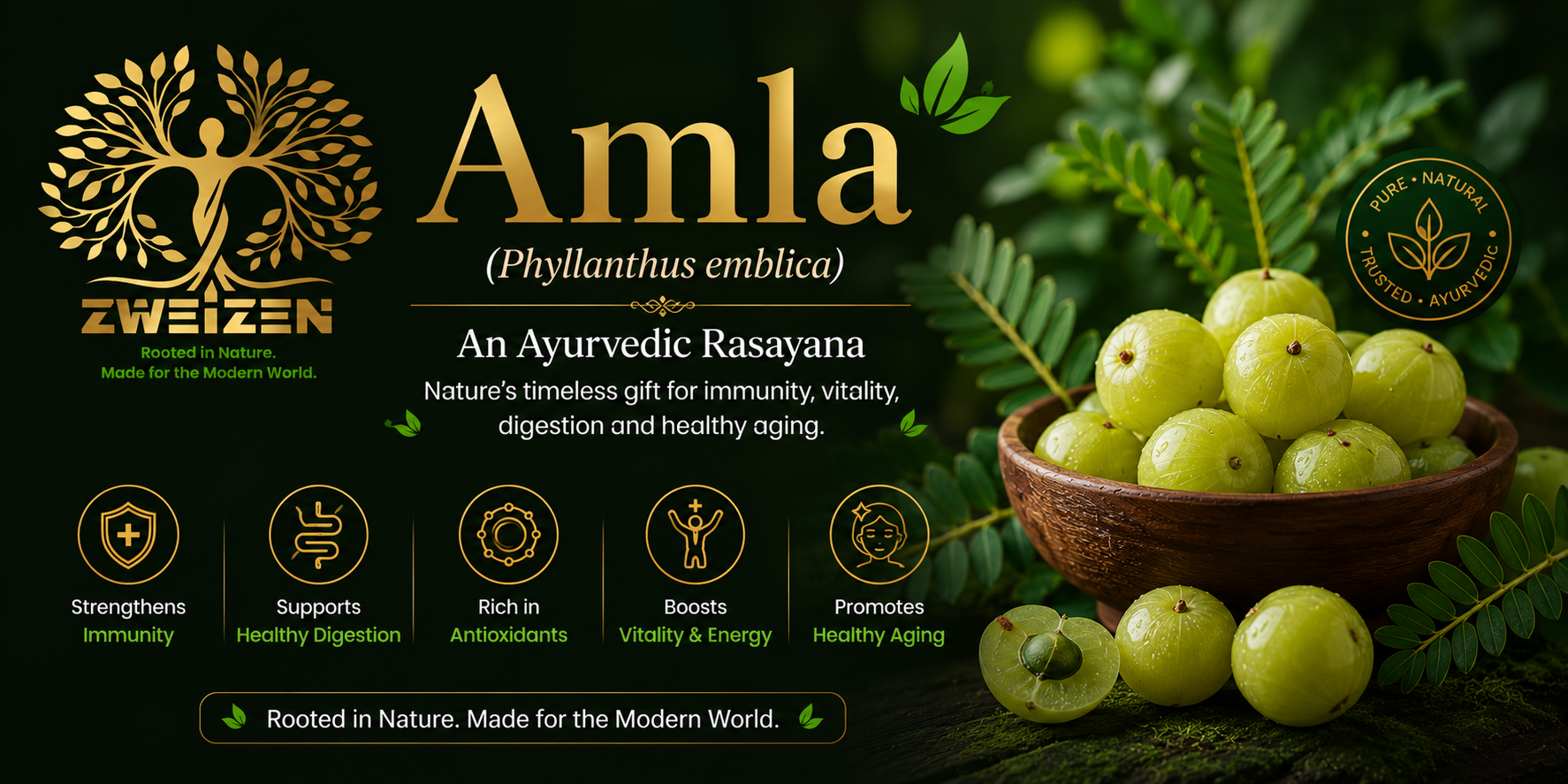
Amla (Phyllanthus emblica), commonly known as Indian Gooseberry or Amalaki, is among the most respected fruits in Ayurveda. For centuries, it has been valued as a powerful Rasayana (rejuvenative) herb that supports vitality, nourishment and overall wellness.
Amla is naturally rich in Vitamin C, tannins, flavonoids, polyphenols and antioxidant compounds. Its unique nutritional profile has made it one of the most widely used ingredients in traditional Ayurvedic wellness formulations.
Often referred to as "Dhatri" (the nurturing mother), Amla is traditionally believed to nourish the body's tissues while supporting long-term health and vitality.
Amla in Ayurveda
In Ayurveda, Amla is classified as a Rasayana because of its rejuvenating and nourishing qualities.
Ayurvedic Properties
Sanskrit Names: Amalaki, Dhatri
Botanical Name: Phyllanthus emblica
Family: Phyllanthaceae
Part Used: Fruit
Rasa (Taste)
- Amla (Sour)
- Madhura (Sweet)
- Kashaya (Astringent)
- Tikta (Bitter)
- Katu (Pungent)
Guna (Qualities)
- Laghu (Light)
- Ruksha (Dry)
Virya (Potency)
- Shita (Cooling)
Vipaka (Post-Digestive Effect)
- Madhura (Sweet)
Dosha Effect
- Helps balance Vata and Pitta
- May increase Kapha if consumed excessively
According to Ayurvedic tradition, Amla is commonly used to support immunity, digestion, skin health, hair health, eye health and healthy aging.
Nutritional Profile of Amla
Amla is considered one of nature's richest sources of natural antioxidants.
Natural Vitamin C
Amla is widely recognized for its exceptionally high Vitamin C content compared with many common fruits.
Polyphenols
Contains powerful compounds including:
- Emblicanin A
- Emblicanin B
- Gallic Acid
- Ellagic Acid
Flavonoids
Naturally occurring flavonoids contribute to Amla's antioxidant activity.
Minerals
Amla contains important micronutrients including:
- Calcium
- Iron
- Phosphorus
- Potassium
Dietary Fiber
Supports digestive wellness and contributes to balanced nutrition.
Scientific Research on Amla
Modern scientific research has extensively studied Amla for its antioxidant and nutritional properties.
Antioxidant Activity
Research shows that Amla contains powerful antioxidant compounds that help protect cells from oxidative stress.
Reference:
https://pmc.ncbi.nlm.nih.gov/articles/PMC3326920/
Immune System Support
Studies suggest Amla's bioactive compounds may help support healthy immune function and antioxidant defense mechanisms.
Reference:
https://www.ncbi.nlm.nih.gov/pmc/articles/PMC4665460/
Cardiovascular Wellness
Research has explored Amla's potential role in supporting healthy cholesterol levels and cardiovascular health markers.
Reference:
https://pubmed.ncbi.nlm.nih.gov/23082012/
Healthy Aging Support
Amla's rich antioxidant and polyphenol profile has been studied for its role in supporting healthy aging and cellular wellness.
Reference:
https://www.ncbi.nlm.nih.gov/pmc/articles/PMC6514735/
Note: While research findings are promising, more large-scale human clinical studies are required. Amla should not be considered a treatment, cure, or prevention for any disease.
Traditional Uses of Amla
Traditionally, Amla has been used in Ayurveda to support:
- Daily vitality
- Immune wellness
- Digestive health
- Healthy skin appearance
- Hair nourishment
- Eye health
- Healthy aging
- General rejuvenation
Amla is also a key ingredient in several classical Ayurvedic formulations including Triphala and Chyawanprash.
Why Amla is Considered a Rasayana
A Rasayana herb is traditionally valued for promoting vitality, nourishment and longevity.
Amla is considered special because it:
- Supports overall wellness
- Provides antioxidant support
- Promotes digestive balance
- Supports skin and hair health
- Helps maintain vitality as part of a healthy lifestyle
This is why Amla remains one of the most respected ingredients in Ayurvedic wellness traditions.
Amla in Zweizen DetoxZen Advanced Formulation
At Zweizen, we carefully select botanicals that combine Ayurvedic wisdom with modern wellness science.
Why Zweizen Uses Amla in DetoxZen
Zweizen DetoxZen Advanced Formulation includes Amla because of its long-standing use in Ayurveda and its naturally occurring Vitamin C, antioxidants and phytonutrients.
Within DetoxZen, Amla complements other carefully selected botanical ingredients to support:
- Antioxidant-rich nutrition
- Daily wellness routines
- Healthy digestion
- Nutritional balance
- Active lifestyles
- Overall vitality
Its Rasayana reputation makes Amla a valuable ingredient within DetoxZen's wellness-focused formulation.
Explore DetoxZen
Product Link:
https://zweizen.com/product/detoxzen-advanced-formulation
Common Forms of Amla
Fresh Amla
Consumed traditionally for maximum freshness.
Amla Juice
Popular for daily wellness routines.
Amla Powder (Churna)
Can be mixed with water, smoothies or honey.
Amla Capsules
Convenient for modern lifestyles.
DetoxZen Capsules
Provides Amla as part of a comprehensive botanical wellness blend.
Frequently Asked Questions (FAQ)
Is Amla one of the most important herbs in Ayurveda?
Yes. Amla is widely regarded as one of Ayurveda's premier Rasayana herbs because of its rejuvenating and nourishing qualities.
Why is Amla included in Zweizen DetoxZen?
Amla is included in DetoxZen because of its antioxidant-rich nutritional profile, natural Vitamin C content and long history of use in Ayurvedic wellness practices.
Is Amla rich in Vitamin C?
Yes. Amla is considered one of the richest natural sources of Vitamin C and antioxidant compounds.
Can Amla support immunity?
Amla has traditionally been used in Ayurveda to support immune health and overall vitality. Scientific research continues to explore these properties.
Is Amla good for digestion?
Traditionally, Amla has been used to support healthy digestion and digestive balance.
Is Amla available in powder and capsule form?
Yes. Amla is commonly available as:
- Fresh Fruit
- Juice
- Powder (Churna)
- Capsules
- Tablets
Can Amla be taken daily?
Amla is commonly used as part of daily wellness routines when consumed according to recommended guidelines.
How long does it take to notice benefits?
Results vary based on diet, lifestyle, consistency of use and individual health factors.
Research References
1. A Review on Indian Gooseberry (Amla)
https://pmc.ncbi.nlm.nih.gov/articles/PMC3326920/
2. Phyllanthus emblica and Human Health
https://www.ncbi.nlm.nih.gov/pmc/articles/PMC4665460/
3. Effect of Amla on Cardiovascular Risk Factors
https://pubmed.ncbi.nlm.nih.gov/23082012/
4. Nutritional and Therapeutic Potential of Amla
https://www.ncbi.nlm.nih.gov/pmc/articles/PMC6514735/
5. NCBI Research Database on Amla
https://pubmed.ncbi.nlm.nih.gov/?term=phyllanthus+emblica
Conclusion
Amla (Phyllanthus emblica) continues to be one of Ayurveda's most valued Rasayana fruits due to its remarkable nutritional profile, antioxidant content and centuries of traditional use.
Its ability to support vitality, digestion, wellness and healthy aging has made it a cornerstone of Ayurvedic nutrition.
As part of Zweizen DetoxZen Advanced Formulation, Amla contributes to a carefully selected botanical blend designed to support daily wellness, balanced nutrition and active lifestyles.
Disclaimer: This article is intended for educational purposes only and is not intended to diagnose, treat, cure or prevent any disease. Individual results may vary. Consult a qualified healthcare professional before starting any dietary supplement.
Recent Posts
The Wellness Industry Doesn’t Have a Product Problem. It Has a Trust Problem. | Zweizen

The Future of Preventive Healthcare: Why Daily Wellness, Nutrition & Lifestyle Matter More Than Ever
How to Choose a High-Quality Ayurvedic Supplement: 15 Things Every Buyer Should Check
Daily Ayurvedic Routine (Dinacharya): 12 Morning Habits for Better Energy, Digestion & Overall Wellness

How Mindfulness Supports Physical Health: The Mind-Body Connection Explained
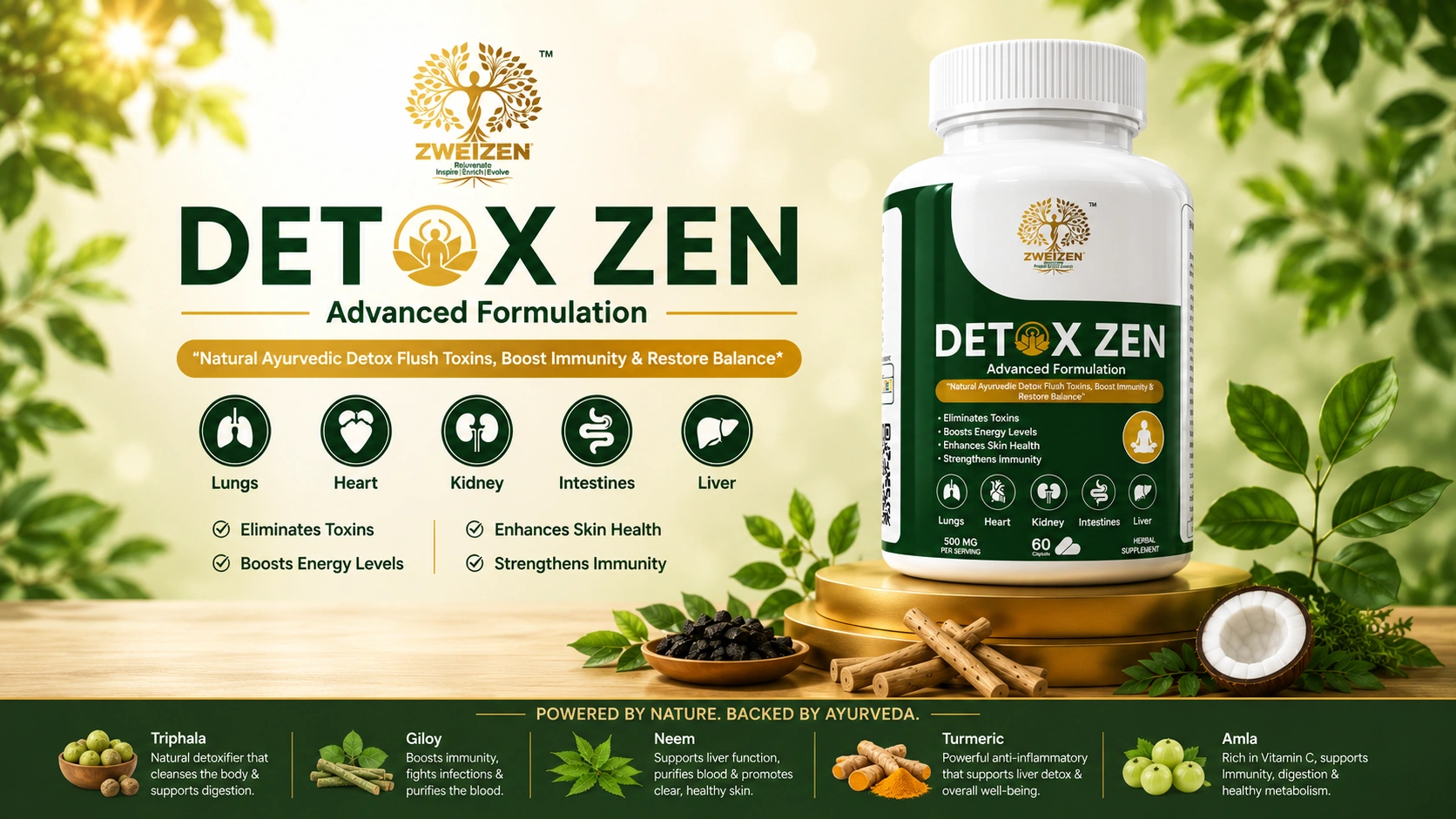
Natural Detox Myths vs Facts: What Your Body Really Needs for Effective Cleansing
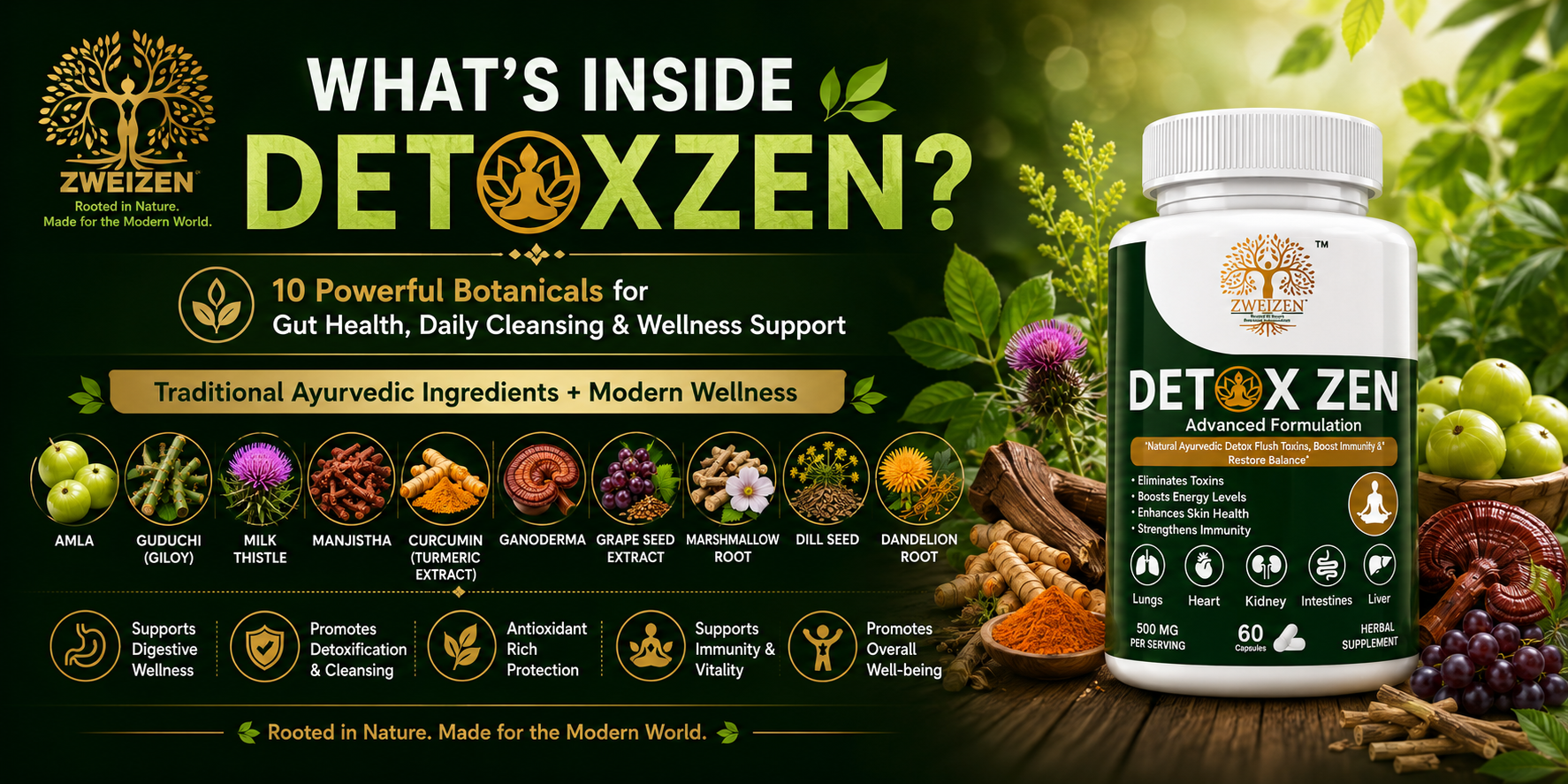
Ayurvedic Detox Explained: 10 Powerful Botanicals for Gut Health, Daily Cleansing & Wellness Support
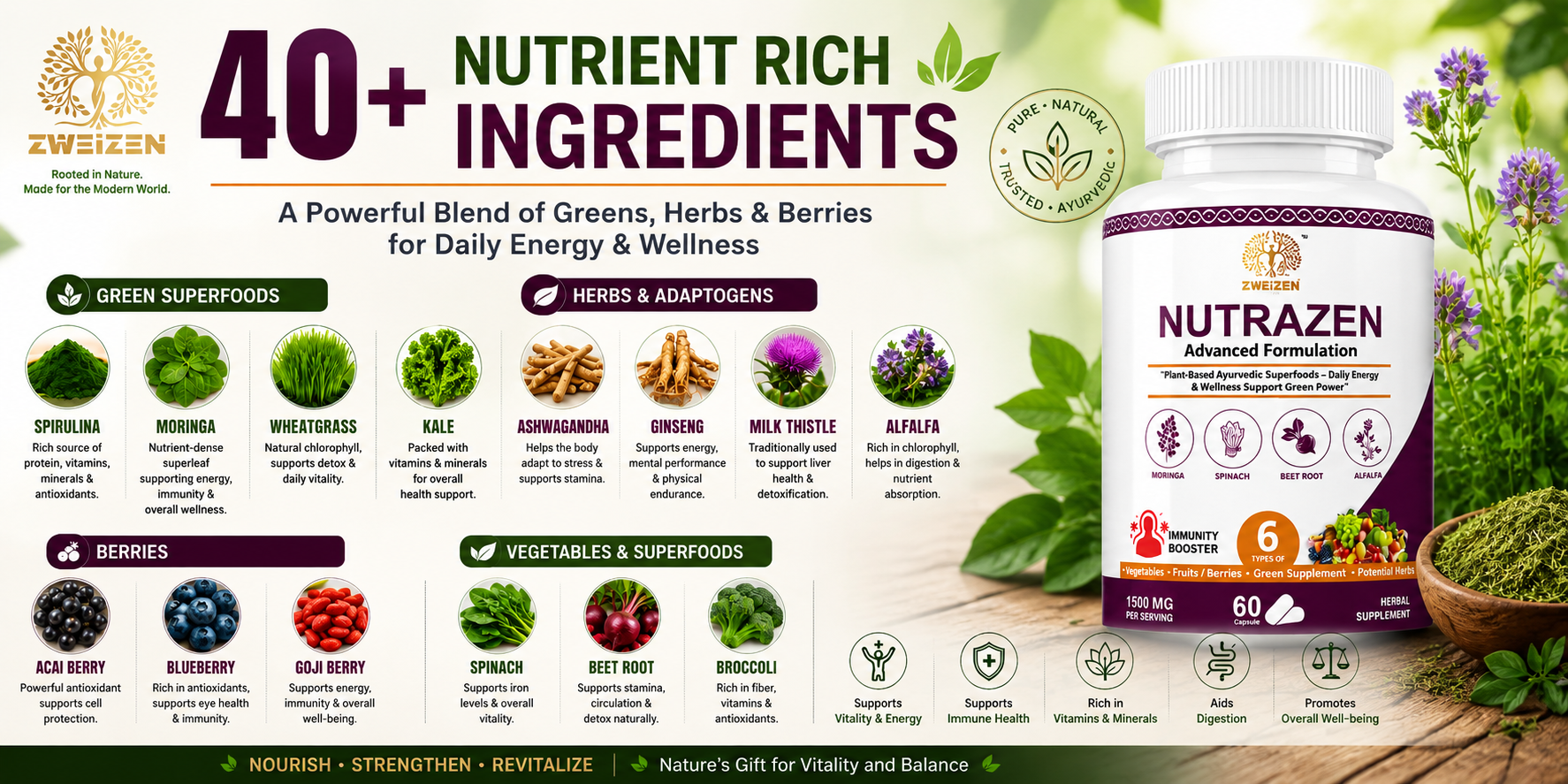
Top 15 Ayurvedic Superfoods for Daily Energy, Immunity & Overall Wellness
About Zweizen Private Limited