The Wellness Industry Doesn’t Have a Product Problem. It Has a Trust Problem. | Zweizen
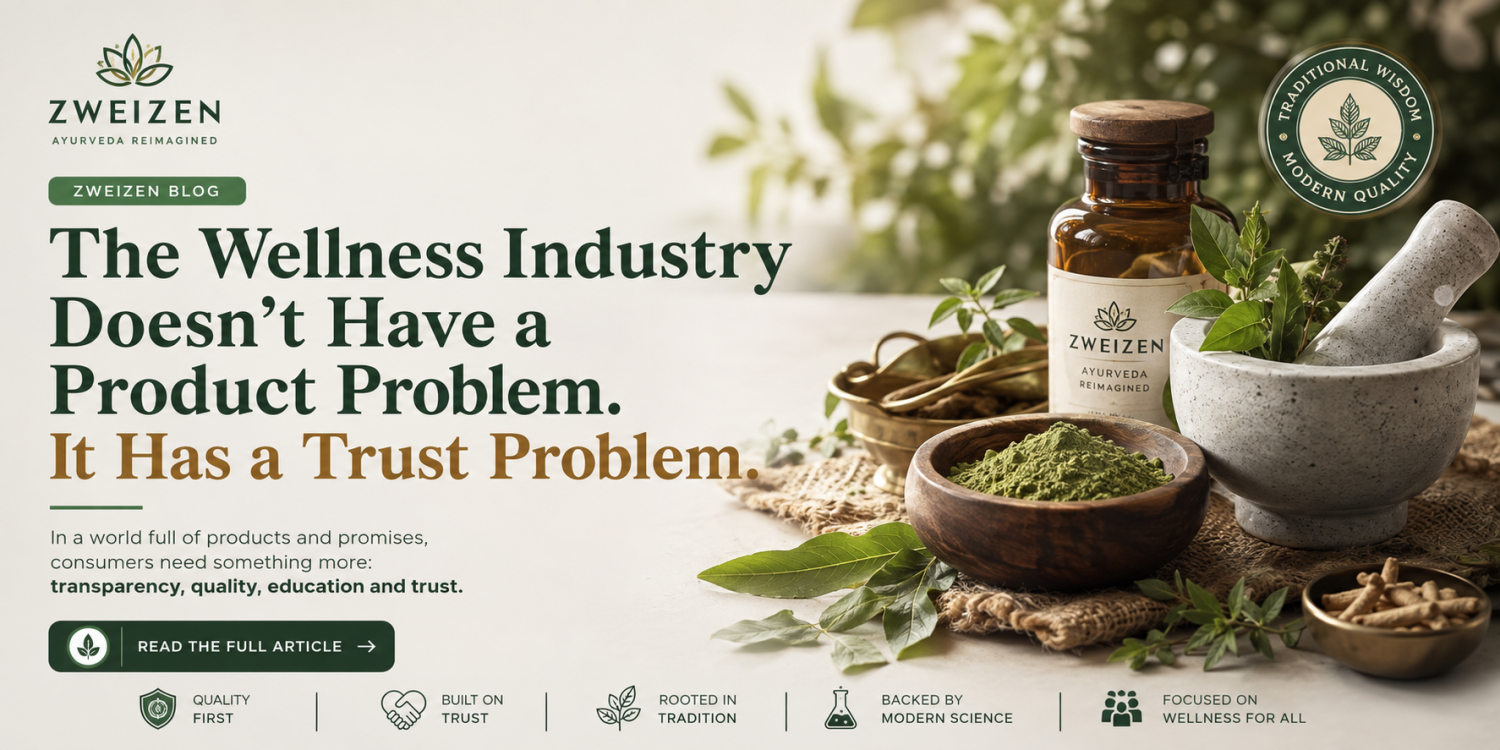
THE WELLNESS INDUSTRY DOESN’T HAVE A PRODUCT PROBLEM. IT HAS A TRUST PROBLEM.
More products. More promises. More choices. But what consumers increasingly need is something more valuable: clarity, transparency and trust.
The wellness industry has never had more products.
From Ayurvedic formulations and herbal supplements to functional foods, beauty products and lifestyle solutions, consumers today have access to an enormous range of wellness choices.
But there is an important question behind this growth:
Do consumers have enough information to confidently decide what deserves their trust?
That is where the real challenge begins.
The future of wellness will not simply belong to brands with more products.
It will belong to brands that can explain what they make, why they make it, how they approach quality and what consumers can realistically expect.
At Zweizen, we believe this is where the next chapter of Ayurvedic wellness begins.
What Is the Biggest Challenge Facing the Wellness Industry?
The biggest challenge is not a lack of wellness products. It is a lack of consumer trust and clarity.
Consumers are becoming more informed.
They read labels.
They compare ingredients.
They search online.
They ask questions.
They look for manufacturing standards.
They want to understand claims.
And increasingly, they want brands to communicate honestly rather than simply make bigger promises.
This is a positive change.
A more informed consumer creates pressure for the industry to become better.
But it also creates a responsibility for wellness brands.
A wellness brand cannot simply say:
“Our product is good.”
It needs to show consumers why they should believe it.
Why Consumer Trust Matters in Wellness
Trust matters in almost every industry.
But it becomes particularly important in wellness because consumers are making decisions connected to their everyday lifestyle and wellbeing.
When someone chooses an Ayurvedic wellness product, they may want to know:
- What ingredients are used?
- Why were those ingredients selected?
- Where do they come from?
- How is the product manufactured?
- Is the information on the label clear?
- Are the claims responsible?
- Does the brand educate consumers?
- Does the brand prioritize quality?
- Can the brand communicate without exaggeration?
These questions are not barriers to purchase.
They are signals of a healthy and evolving market.
The more transparent a brand is, the easier it becomes for consumers to make informed decisions.
The Problem With “More Products, More Promises”
The wellness market is crowded.
New products appear every day.
New ingredients become trends.
New categories emerge.
New claims attract attention.
Social media can turn an ingredient into a trend overnight.
But attention is not the same as trust.
A product may generate curiosity through an impressive claim, but long-term brands are built differently.
They are built through:
Quality.
Consistency.
Transparency.
Education.
Responsible communication.
Consumer experience.
And ultimately:
Trust.
This is why the next generation of wellness brands must move beyond the traditional product-first mindset.
What Makes a Wellness Brand Trustworthy?
There is no single factor that creates trust.
It is built through multiple signals working together.
1. Transparent Communication
Consumers should be able to understand what a product is without needing to decode complicated marketing language.
Clear communication helps people make better choices.
That means explaining ingredients, intended use, product positioning and relevant quality information in a straightforward way.
Simple communication is powerful communication.
2. Quality-Focused Manufacturing
The quality of a wellness product begins long before it reaches the consumer.
Ingredient selection, sourcing, processing, manufacturing practices, testing and packaging all matter.
Consumers increasingly want brands to take these processes seriously.
A premium wellness brand should therefore make quality a system, not just a marketing statement.
3. Responsible Claims
One of the fastest ways to damage trust is to make exaggerated promises.
Responsible wellness communication does not need dramatic claims.
It needs clarity.
Instead of creating unrealistic expectations, brands should communicate the intended role of their products responsibly and encourage consumers to consider wellness as part of a broader lifestyle.
Trust grows when expectations are realistic.
Ayurveda Has a Unique Opportunity
Ayurveda carries centuries of traditional knowledge.
But today's consumer lives in a very different environment.
Modern consumers expect:
- convenience
- transparency
- clear information
- quality systems
- contemporary formats
- responsible communication
- accessible education
This creates an exciting opportunity.
The answer does not have to be:
Tradition OR modernity.
It can be:
Tradition + Modernity
Traditional Ayurvedic knowledge can inspire modern wellness products while modern quality practices, responsible communication and consumer education help make that experience relevant to today's lifestyle.
That balance is important.
Can Ayurveda Fit Into Modern Everyday Wellness?
Yes. Ayurveda can become part of modern everyday wellness when traditional knowledge is presented responsibly and adapted to contemporary consumer expectations.
Modern consumers do not necessarily want to abandon tradition.
They want to understand it.
They want products that fit into their routines.
They want convenient formats.
They want clear information.
And they want brands they can trust.
This is why the future of Ayurveda is not simply about preserving the past.
It is about bringing meaningful traditional knowledge into modern life without losing its essence or compromising responsible communication.
The New Wellness Consumer Is More Informed
The modern wellness consumer is different from the consumer of a decade ago.
Before purchasing, people can now:
- search ingredients
- compare brands
- read reviews
- watch educational videos
- ask AI tools questions
- investigate product claims
- compare prices
- research manufacturing standards
Information is everywhere.
But there is an interesting paradox.
More information does not always create more clarity.
Sometimes it creates confusion.
That is why brands have an important role to play.
A good wellness brand should not simply add more information.
It should help consumers understand the right information.
From Selling Products to Building Understanding
The traditional approach to marketing is simple:
Product → Advertisement → Purchase
The future of wellness can be different:
Education → Understanding → Trust → Purchase → Experience → Relationship
This is a much stronger model.
When consumers understand why a product exists and what role it can play in their lifestyle, the relationship becomes more meaningful.
The brand is no longer just selling a product.
It is becoming a source of knowledge.
The Zweizen Approach
At Zweizen, our approach is built around a simple belief:
Wellness should be built on trust, not hype.
Our philosophy can be expressed through six principles:
QUALITY
Quality comes first.
TRUST
Trust is earned through consistency and transparency.
TRADITION + MODERNITY
Traditional Ayurvedic knowledge can meet modern lifestyles.
INNOVATION
Innovation should make wellness more relevant and accessible.
EDUCATION
Consumers should be empowered to understand their choices.
PEOPLE
Ultimately, wellness is about people — their lifestyles, routines and everyday choices.
Together, these principles create the foundation for how we think about modern Ayurvedic wellness.
What Should Consumers Look for When Choosing a Wellness Product?
A useful starting checklist is:
1. Read the label
Understand the ingredients and product information.
2. Look beyond the marketing
Do not judge a product only by advertising claims.
3. Research the brand
Look for information about the company's approach, manufacturing and quality practices.
4. Check relevant certifications and licences
Where applicable, understand what regulatory or quality credentials mean rather than treating every logo as proof of effectiveness.
5. Look for transparency
Brands that clearly communicate their products, ingredients and approach make it easier for consumers to make informed choices.
6. Avoid unrealistic promises
Wellness is rarely about one product solving everything.
7. Think about your overall lifestyle
Products should be considered alongside nutrition, sleep, physical activity, stress management and other healthy habits.
What Is the Future of the Wellness Industry?
The future of wellness is likely to become increasingly education-led, transparency-led and consumer-led.
Consumers will continue asking better questions.
Brands will need to provide better answers.
Technology will make information easier to access.
AI-powered search will make it easier for consumers to compare brands, ingredients and claims.
And traditional wellness systems such as Ayurveda will have opportunities to reach new audiences through modern formats and digital education.
But one principle will remain constant:
Trust cannot be manufactured overnight.
It is built through every interaction.
Every label.
Every product.
Every customer experience.
Every piece of educational content.
Every promise a brand chooses not to make.
The Future Belongs to Brands That Educate
The wellness industry does not need another brand shouting louder.
It needs brands communicating better.
Brands that explain.
Brands that educate.
Brands that take quality seriously.
Brands that respect consumers enough to communicate responsibly.
And brands that understand that a long-term relationship is more valuable than a short-term sale.
That is the opportunity we see at Zweizen.
Not just creating wellness products.
Creating a more informed wellness culture.
Because when consumers understand more, they can choose better.
And when brands communicate better, the entire wellness ecosystem becomes stronger.
Frequently Asked Questions
What is the biggest problem in the wellness industry?
The biggest challenge is not the lack of wellness products. It is building consumer trust through transparency, quality, responsible communication and education.
Why is trust important in the wellness industry?
Trust helps consumers make informed decisions. Wellness products are closely connected to everyday lifestyle and wellbeing, so consumers increasingly want reliable information, transparent communication and responsible claims.
What makes an Ayurvedic wellness brand trustworthy?
A trustworthy Ayurvedic wellness brand should prioritize quality, transparent communication, responsible claims, consumer education and a clear approach to traditional knowledge and modern manufacturing.
Can Ayurveda fit into modern wellness?
Yes. Ayurveda can be relevant to modern wellness when traditional knowledge is thoughtfully presented alongside contemporary formats, quality practices, responsible communication and consumer education.
How can consumers choose a trustworthy wellness product?
Consumers can start by reading the label, understanding ingredients, researching the brand, checking relevant licences or certifications, evaluating claims and considering the product as part of their overall lifestyle.
Why is transparency important for wellness brands?
Transparency gives consumers the information they need to evaluate products and make informed choices. Over time, clear communication can contribute to stronger consumer trust.
What is the future of Ayurvedic wellness?
The future of Ayurvedic wellness is likely to involve a stronger combination of traditional knowledge, modern quality practices, convenient formats, digital education and responsible consumer communication.
What does Zweizen believe about wellness?
Zweizen believes modern wellness should be built around quality, trust, tradition and modernity, innovation, education and people.
Final Thought
The next big wellness brand may not be the one with the loudest advertising.
It may be the one consumers trust enough to recommend.
Because the future of wellness is not simply about more products.
It is about better choices.
And better choices begin with better information.
Zweizen — Ayurveda Reimagined.
Recent Posts
The Wellness Industry Doesn’t Have a Product Problem. It Has a Trust Problem. | Zweizen
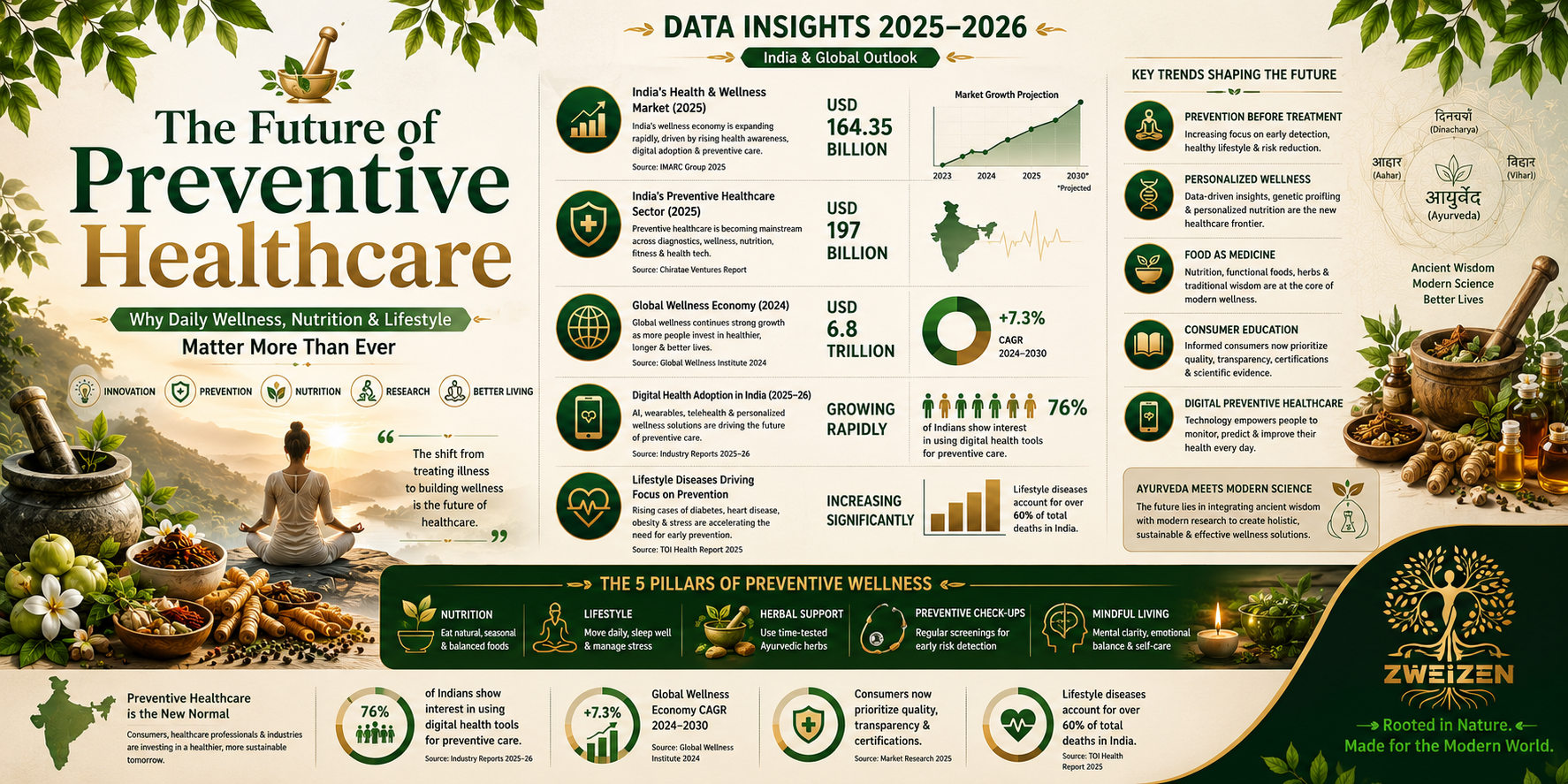
The Future of Preventive Healthcare: Why Daily Wellness, Nutrition & Lifestyle Matter More Than Ever
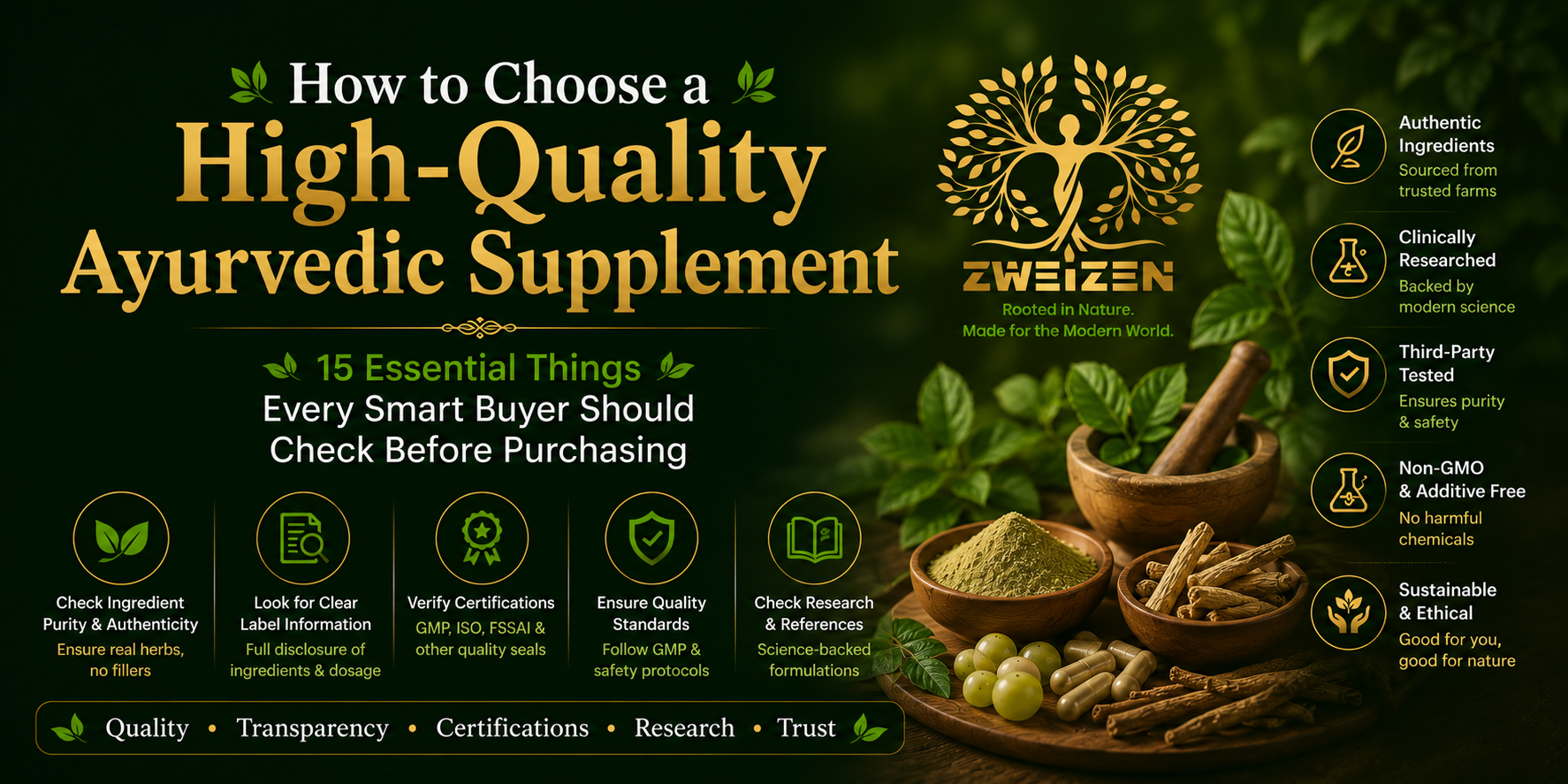
How to Choose a High-Quality Ayurvedic Supplement: 15 Things Every Buyer Should Check
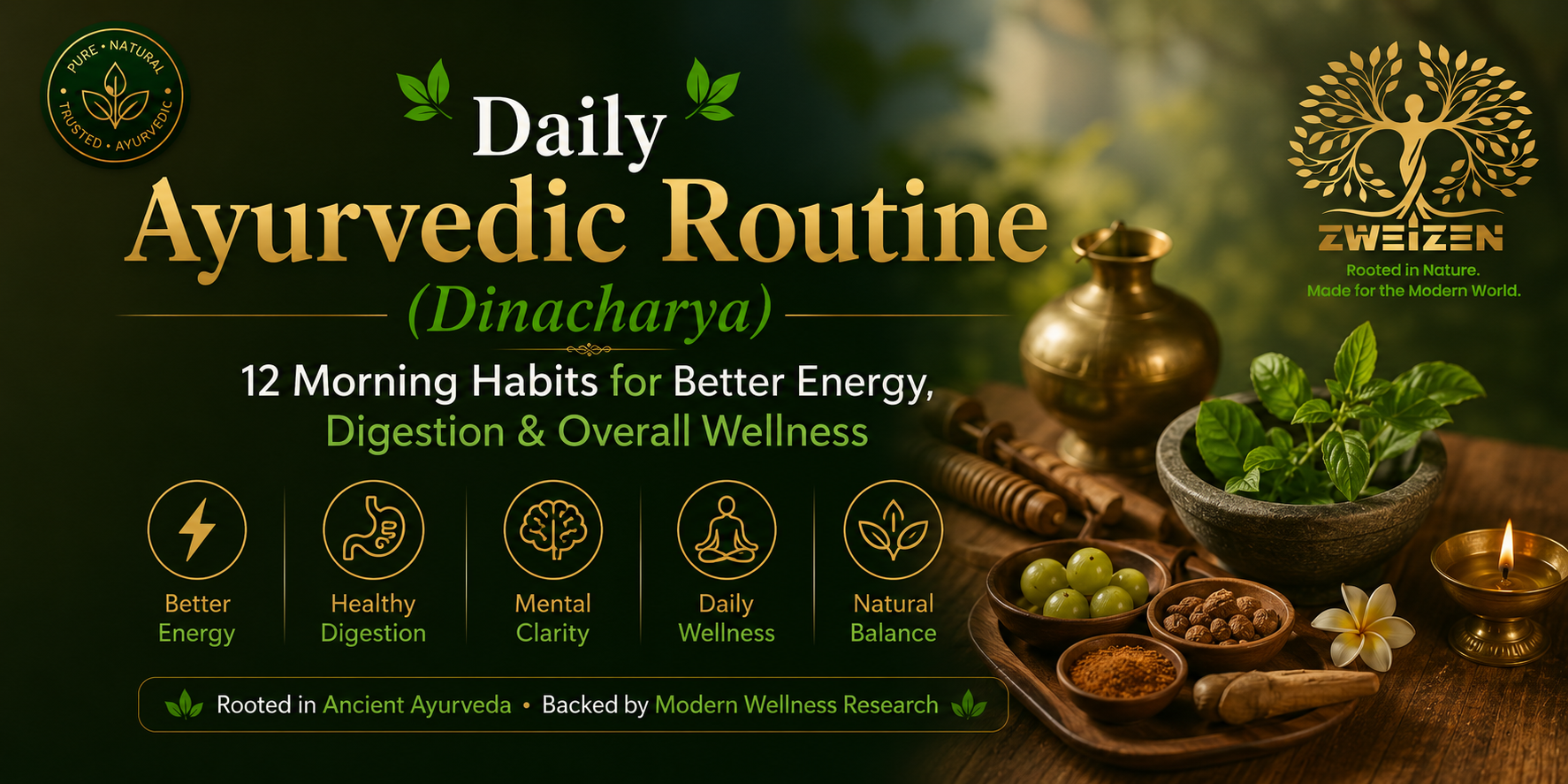
Daily Ayurvedic Routine (Dinacharya): 12 Morning Habits for Better Energy, Digestion & Overall Wellness
How Mindfulness Supports Physical Health: The Mind-Body Connection Explained
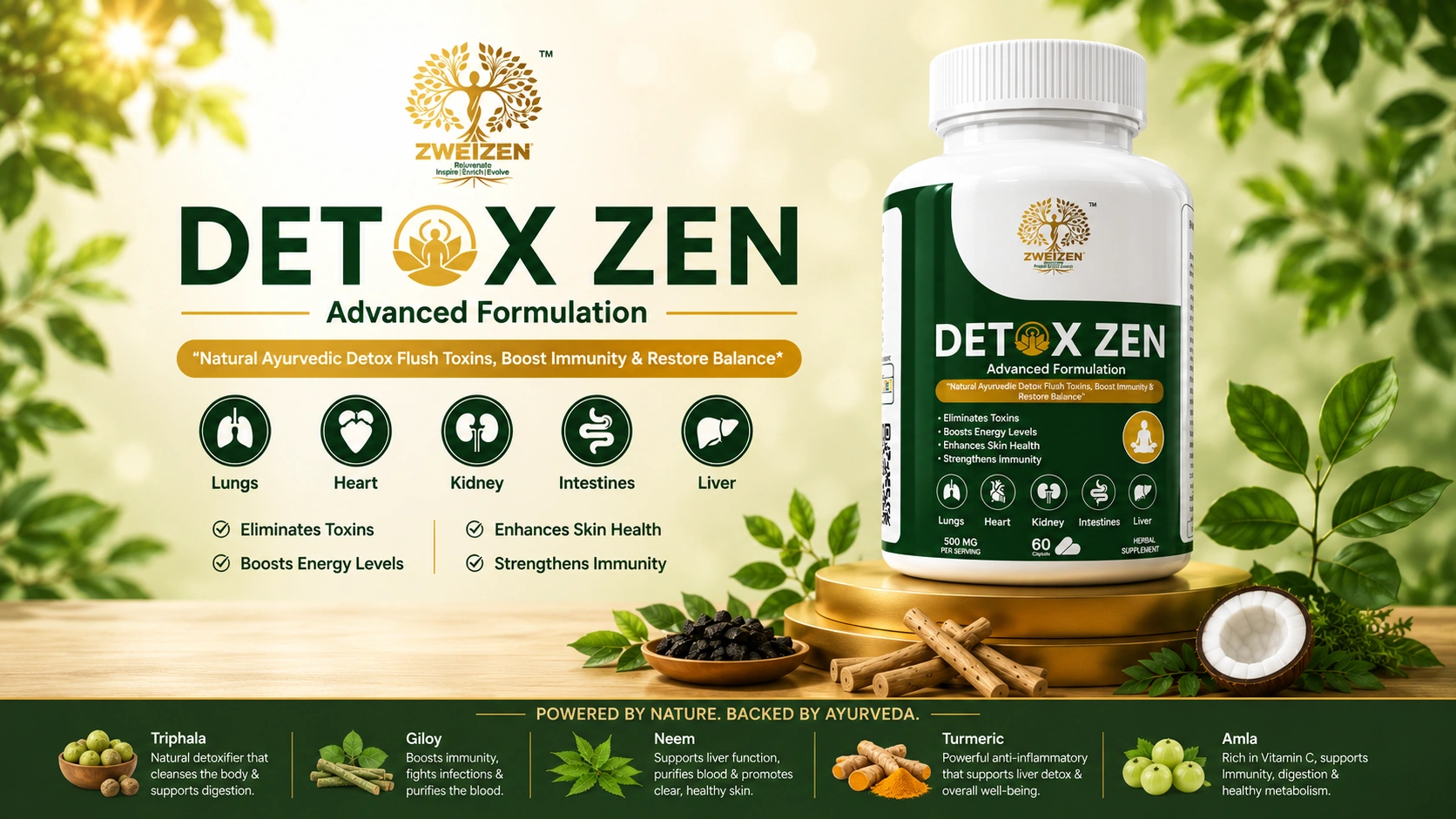
Natural Detox Myths vs Facts: What Your Body Really Needs for Effective Cleansing
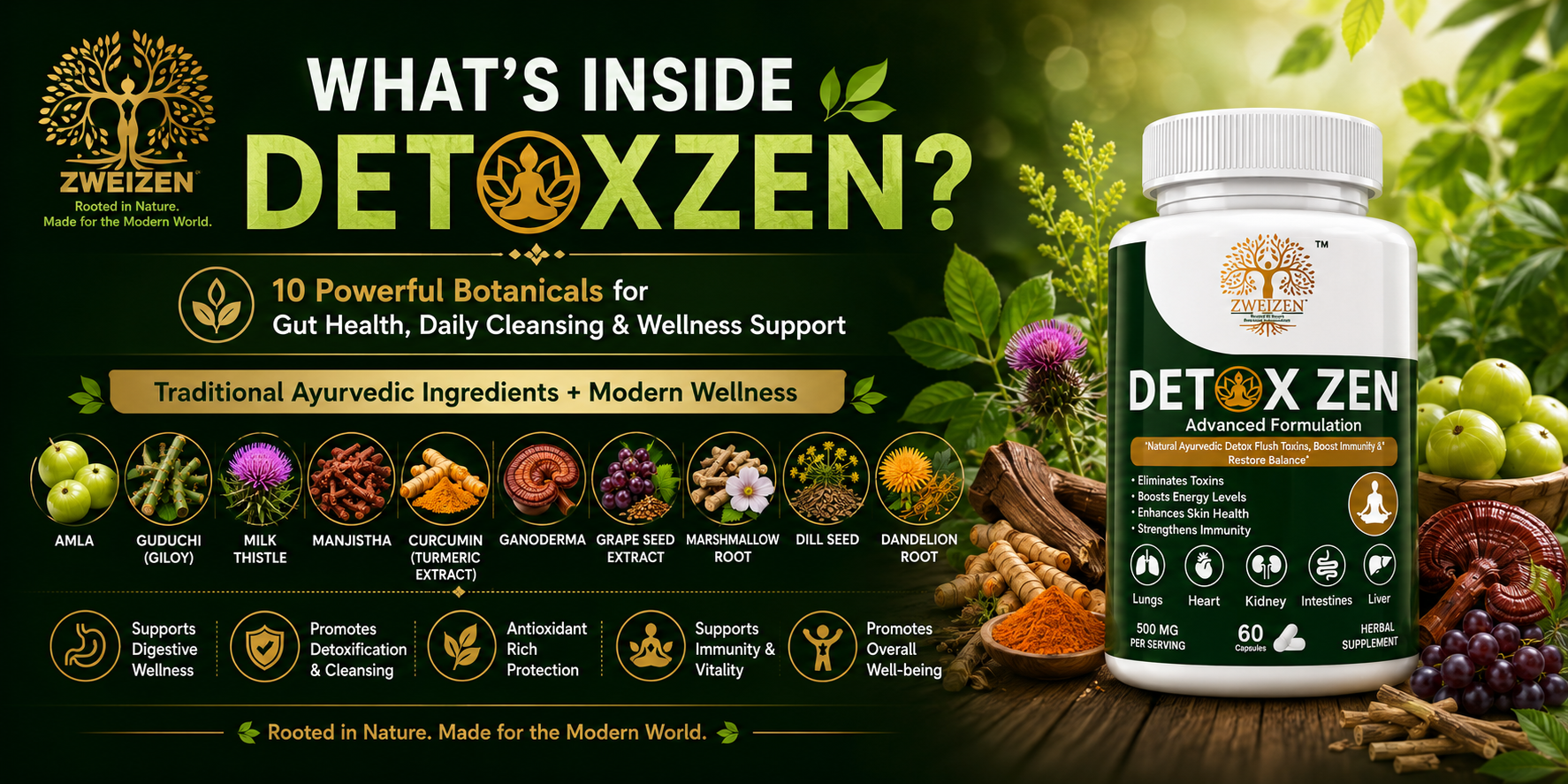
Ayurvedic Detox Explained: 10 Powerful Botanicals for Gut Health, Daily Cleansing & Wellness Support
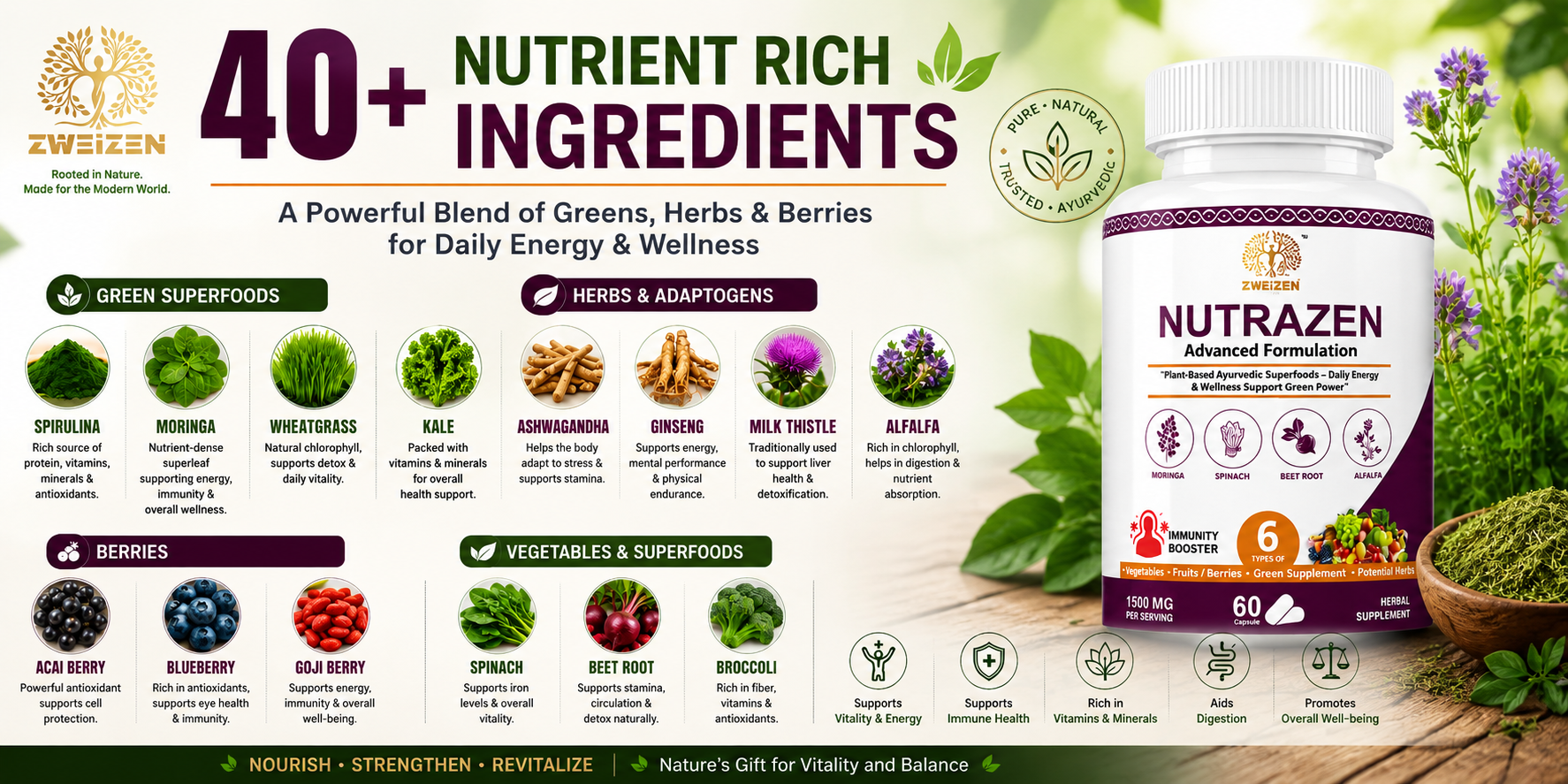
Top 15 Ayurvedic Superfoods for Daily Energy, Immunity & Overall Wellness
About Zweizen Private Limited