The Future of Preventive Healthcare: Why Daily Wellness, Nutrition & Lifestyle Matter More Than Ever
The Future of Preventive Healthcare: Why Daily Wellness, Nutrition & Lifestyle Matter More Than Ever
Executive Summary
Healthcare is changing.
For decades, healthcare systems around the world have primarily focused on diagnosing and treating diseases after symptoms appear. Today, a significant shift is taking place. Governments, healthcare professionals, researchers and consumers are increasingly recognizing the importance of preventive healthcare—an approach that emphasizes maintaining health through balanced nutrition, regular physical activity, quality sleep, stress management, routine health screenings and informed lifestyle choices.
India, with its rich heritage of Ayurveda and growing adoption of digital health technologies, is uniquely positioned to contribute to this evolving model of wellness. At the same time, consumers are becoming more informed about ingredient quality, scientific evidence and responsible supplementation.
This guide explores the current state of preventive healthcare, emerging trends in India and globally, the role of Ayurveda in modern wellness, and how informed daily habits can support long-term well-being.
Table of Contents
- What Is Preventive Healthcare?
- Why Prevention Matters More Than Ever
- India's Preventive Healthcare Landscape
- Global Wellness Trends
- Data Insights (2025–2026)
- Tier 1, Tier 2 & Tier 3 City Trends
- The Role of Ayurveda
- The Future of Nutrition
- Digital Preventive Healthcare
- Frequently Asked Questions
- About Zweizen
What Is Preventive Healthcare?
Preventive healthcare refers to actions and strategies that help individuals maintain health, reduce risk factors and support overall well-being before illness develops.
Rather than focusing only on treatment after symptoms appear, preventive healthcare encourages proactive lifestyle habits such as:
- Balanced nutrition
- Regular physical activity
- Quality sleep
- Stress management
- Preventive health screenings
- Healthy weight management
- Avoiding tobacco and excessive alcohol
- Staying physically and mentally active
Preventive healthcare also includes public health initiatives such as vaccination programs, health education, nutrition awareness and early detection services.
Why Preventive Healthcare Matters
Non-communicable diseases (NCDs) such as cardiovascular diseases, diabetes, obesity and certain cancers account for a significant proportion of the global disease burden. Many of the risk factors associated with these conditions—including unhealthy diets, physical inactivity, tobacco use and chronic stress—are modifiable.
By encouraging healthier daily habits and informed choices, preventive healthcare aims to improve quality of life and reduce long-term health risks. It complements, rather than replaces, clinical care.
Data Insights: India 2025–2026
India's Wellness Economy Is Growing
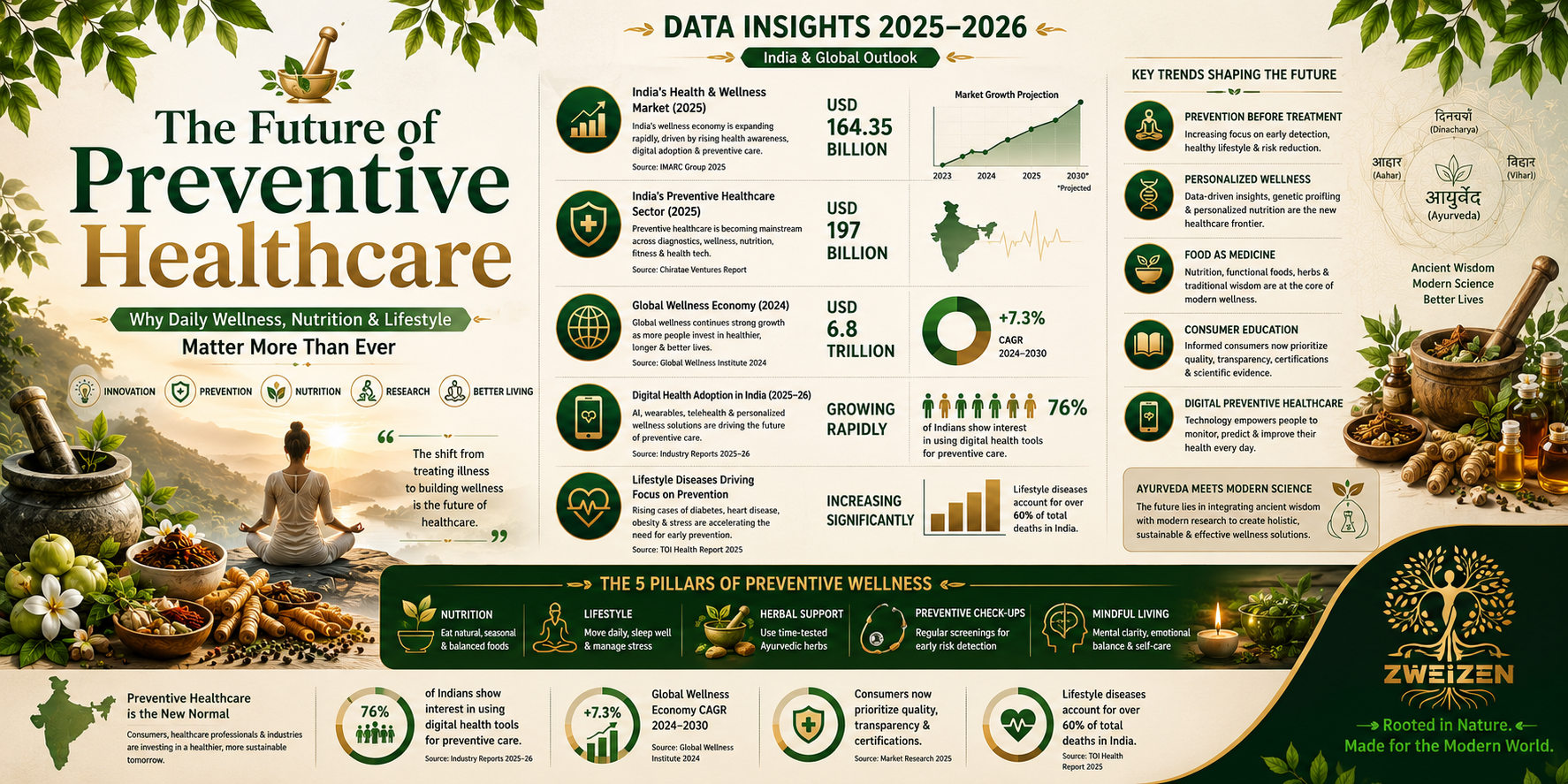
According to industry analyses, India's health and wellness market was valued at approximately USD 164.35 billion in 2025 and continues to expand due to increasing awareness of preventive health, nutrition, fitness, digital health services and wellness products.
Key drivers include:
- Rising disposable incomes
- Increased health awareness
- Urbanization
- Digital health adoption
- Growth of organized wellness services
- Greater consumer interest in preventive care
Preventive Healthcare Is Becoming Mainstream
The Indian preventive healthcare ecosystem—including diagnostics, wellness services, nutrition, fitness and digital health—is projected to continue its strong growth as consumers increasingly invest in proactive health management.
Consumers today are more likely to:
- Track daily activity
- Monitor sleep
- Use wearable health devices
- Read nutrition labels
- Research ingredients before purchasing wellness products
- Seek evidence-informed health information
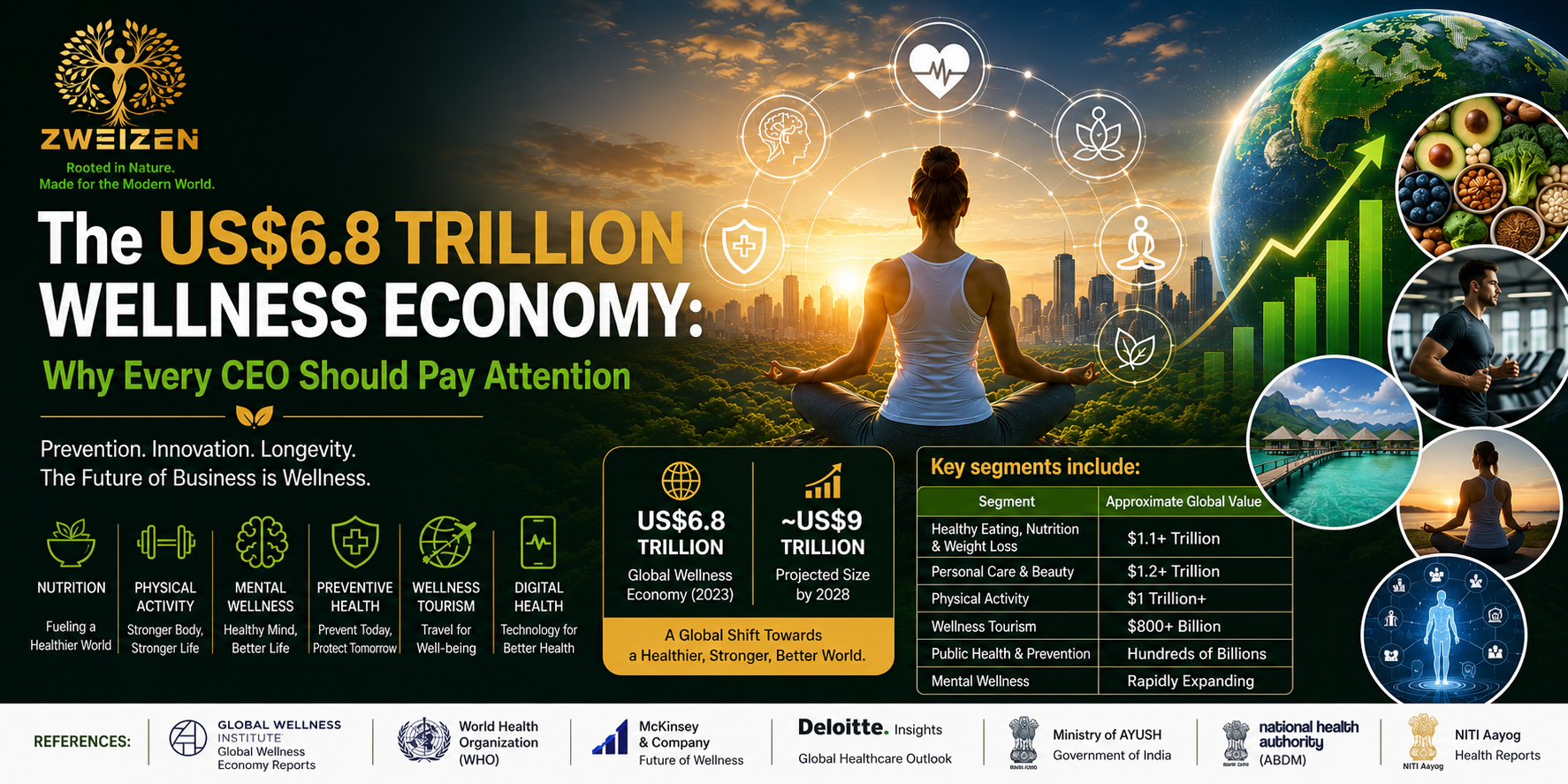
Global Wellness Economy
The Global Wellness Institute estimates the global wellness economy reached approximately USD 6.8 trillion in 2024, reflecting strong growth in:
- Healthy eating
- Physical fitness
- Mental wellness
- Preventive healthcare
- Workplace wellness
- Wellness tourism
- Personal care
- Digital health
This highlights a worldwide shift toward prevention and healthier lifestyles.
Government Focus on Prevention
India has introduced several initiatives that support preventive healthcare and public wellness, including:
- Ayushman Bharat
- National Digital Health Mission (ABDM)
- Fit India Movement
- Eat Right India
- National Programme for Prevention and Control of Non-Communicable Diseases (NP-NCD)
- Ministry of AYUSH initiatives promoting traditional systems of health
These programs encourage health awareness, preventive screenings, nutrition and healthy lifestyle practices.
Tier-Wise Healthcare Trends in India
Tier 1 Cities
Examples:
- Mumbai
- Delhi
- Bengaluru
- Hyderabad
- Chennai
- Kolkata
- Pune
Key Trends
- Greater use of wearable health technology
- Corporate wellness programs
- Personalized nutrition
- Preventive health check-ups
- Higher demand for evidence-based wellness products
- Increased use of telemedicine
Tier 2 Cities
Examples:
- Jaipur
- Lucknow
- Indore
- Surat
- Bhopal
- Kochi
- Chandigarh
- Nagpur
- Bhubaneswar
Key Trends
- Rapid growth in preventive diagnostics
- Rising interest in Ayurveda and nutrition
- Increased online purchase of wellness products
- Growing fitness culture
- Expansion of digital healthcare services
Tier 3 Cities
Healthcare awareness is increasing through:
- Government health initiatives
- Mobile health applications
- Teleconsultations
- Social media education
- Community wellness programs
- Better internet access
Consumers are showing greater interest in:
- Daily nutrition
- Traditional wellness practices
- Herbal products
- Lifestyle improvements
- Preventive healthcare education
The Rise of Informed Consumers
Today's consumers are more informed than ever before.
Before purchasing a wellness product, many people now research:
- Ingredient quality
- Scientific evidence
- Manufacturing standards
- Certifications
- Brand transparency
- Customer reviews
- Company values
This shift is encouraging wellness brands to prioritize education, transparency and responsible communication.
Ayurveda's Role in Preventive Wellness
Ayurveda, one of the world's oldest traditional systems of health, emphasizes maintaining balance through daily routines (Dinacharya), seasonal practices (Ritucharya), balanced nutrition, adequate rest and mindful living.
Many of these principles align with modern preventive health concepts by encouraging sustainable lifestyle habits and overall well-being.
Ayurveda continues to inspire wellness practices globally while ongoing scientific research explores the properties of traditional botanicals and lifestyle approaches.
Key Takeaways
- Preventive healthcare focuses on maintaining health before illness develops.
- India's wellness industry continues to grow rapidly.
- Consumers increasingly value transparency, quality and scientific information.
- Digital health technologies are improving access to preventive care.
- Ayurveda contributes valuable lifestyle principles that complement modern wellness.
- Nutrition, exercise, sleep and stress management remain fundamental pillars of long-term health.
The 10 Pillars of Preventive Healthcare
Preventive healthcare is not built on one habit alone. It is a combination of daily choices that collectively support long-term health and well-being.
According to the World Health Organization (WHO) and public health experts, many chronic diseases are associated with modifiable lifestyle factors such as nutrition, physical inactivity, tobacco use, inadequate sleep and chronic stress. By addressing these factors, individuals can support healthier living and reduce risk over time.
Below are ten foundational pillars that contribute to preventive healthcare.
Pillar 1: Balanced Nutrition — The Foundation of Long-Term Wellness
Nutrition plays a central role in maintaining health throughout life. A balanced dietary pattern supplies essential macronutrients, vitamins, minerals, dietary fiber and naturally occurring phytochemicals that support normal body functions.
Modern dietary guidance from WHO and the Government of India emphasizes:
- A variety of vegetables and fruits
- Whole grains
- Legumes and pulses
- Nuts and seeds
- Healthy fats in moderation
- Limited added sugars
- Reduced intake of ultra-processed foods
- Adequate hydration
Data Insight
The National Family Health Survey (NFHS-5) and other national reports highlight that both nutrient deficiencies and rising overweight/obesity are public health concerns in India, underscoring the need for balanced nutrition across all age groups.
Ayurveda's Perspective
Ayurveda encourages eating according to:
- Individual constitution (Prakriti)
- Digestive capacity (Agni)
- Seasonal changes (Ritucharya)
- Daily routine (Dinacharya)
Traditional guidance emphasizes freshly prepared, wholesome foods and mindful eating.
Pillar 2: Daily Physical Activity
Regular movement supports cardiovascular fitness, musculoskeletal health and overall well-being.
The World Health Organization recommends that adults engage in:
- 150–300 minutes of moderate-intensity physical activity per week, or
- 75–150 minutes of vigorous-intensity activity, plus
- Muscle-strengthening activities on at least two days each week.
Examples include:
- Brisk walking
- Cycling
- Swimming
- Yoga
- Resistance training
- Recreational sports
India's Fitness Trend
Urban India has seen increased participation in:
- Walking clubs
- Gyms
- Yoga studios
- Running communities
- Home fitness programs
- Corporate wellness initiatives
Tier 2 and Tier 3 cities are also experiencing steady growth in fitness awareness due to digital platforms and improved access to wellness information.
Pillar 3: Quality Sleep
Sleep is essential for physical restoration, cognitive function and emotional well-being.
Adults generally require 7–9 hours of quality sleep per night, although individual needs may vary.
Good sleep hygiene includes:
- Maintaining a consistent bedtime
- Reducing screen exposure before sleep
- Creating a comfortable sleep environment
- Limiting caffeine late in the day
- Practicing relaxation techniques
Ayurveda and Sleep
Ayurveda identifies Nidra (sleep) as one of the three pillars (Trayopastambha) that support health, alongside food (Ahara) and balanced lifestyle (Brahmacharya in its broader classical sense of disciplined living).
Pillar 4: Mental Well-being
Mental health is closely linked with physical health.
Managing stress, cultivating resilience and maintaining social connections contribute to overall wellness.
Helpful practices include:
- Mindfulness
- Meditation
- Yoga
- Spending time in nature
- Maintaining supportive relationships
- Seeking professional support when needed
Research Insight
Studies continue to explore how chronic stress may influence sleep, lifestyle behaviors and overall health outcomes, reinforcing the importance of mental well-being within preventive healthcare.
Pillar 5: Healthy Digestive Function
Digestive health influences nutrient absorption and overall wellness.
General strategies to support digestive health include:
- Consuming adequate dietary fiber
- Staying hydrated
- Including a variety of plant-based foods
- Eating regular meals
- Engaging in physical activity
Ayurveda's Concept of Agni
Ayurveda describes Agni (digestive fire) as central to digestion and metabolism.
Balanced eating habits, mindful food choices and regular meal timings are traditionally emphasized to support healthy digestion.
Pillar 6: Preventive Health Check-ups
Routine health assessments can help identify certain health concerns earlier.
Depending on age, family history and personal risk factors, healthcare professionals may recommend:
- Blood pressure monitoring
- Blood sugar screening
- Lipid profile
- Body weight assessment
- Cancer screening where appropriate
- Eye and dental examinations
Early detection supports timely medical evaluation and management.
Pillar 7: Digital Health & Wearable Technology
Technology is changing preventive healthcare.
Increasingly, individuals use:
- Smartwatches
- Fitness trackers
- Health apps
- Digital nutrition logs
- Telemedicine services
- Electronic health records
These tools can help monitor lifestyle habits and facilitate communication with healthcare providers.
India Trends
Digital health adoption continues to rise due to:
- Smartphone penetration
- Improved internet access
- Government digital health initiatives
- Consumer interest in self-monitoring
Pillar 8: Healthy Aging
As life expectancy increases, healthy aging has become an important public health goal.
Healthy aging focuses on maintaining physical, mental and social well-being throughout life.
Strategies include:
- Balanced nutrition
- Regular activity
- Social engagement
- Cognitive stimulation
- Preventive healthcare
- Adequate sleep
Pillar 9: Consumer Education
Well-informed consumers make better health decisions.
Before choosing wellness products, individuals should evaluate:
- Ingredient transparency
- Manufacturing standards
- Certifications
- Appropriate usage information
- Brand credibility
Educational resources help consumers compare products responsibly.
Related Reading
Learn how to evaluate wellness products in our guide:
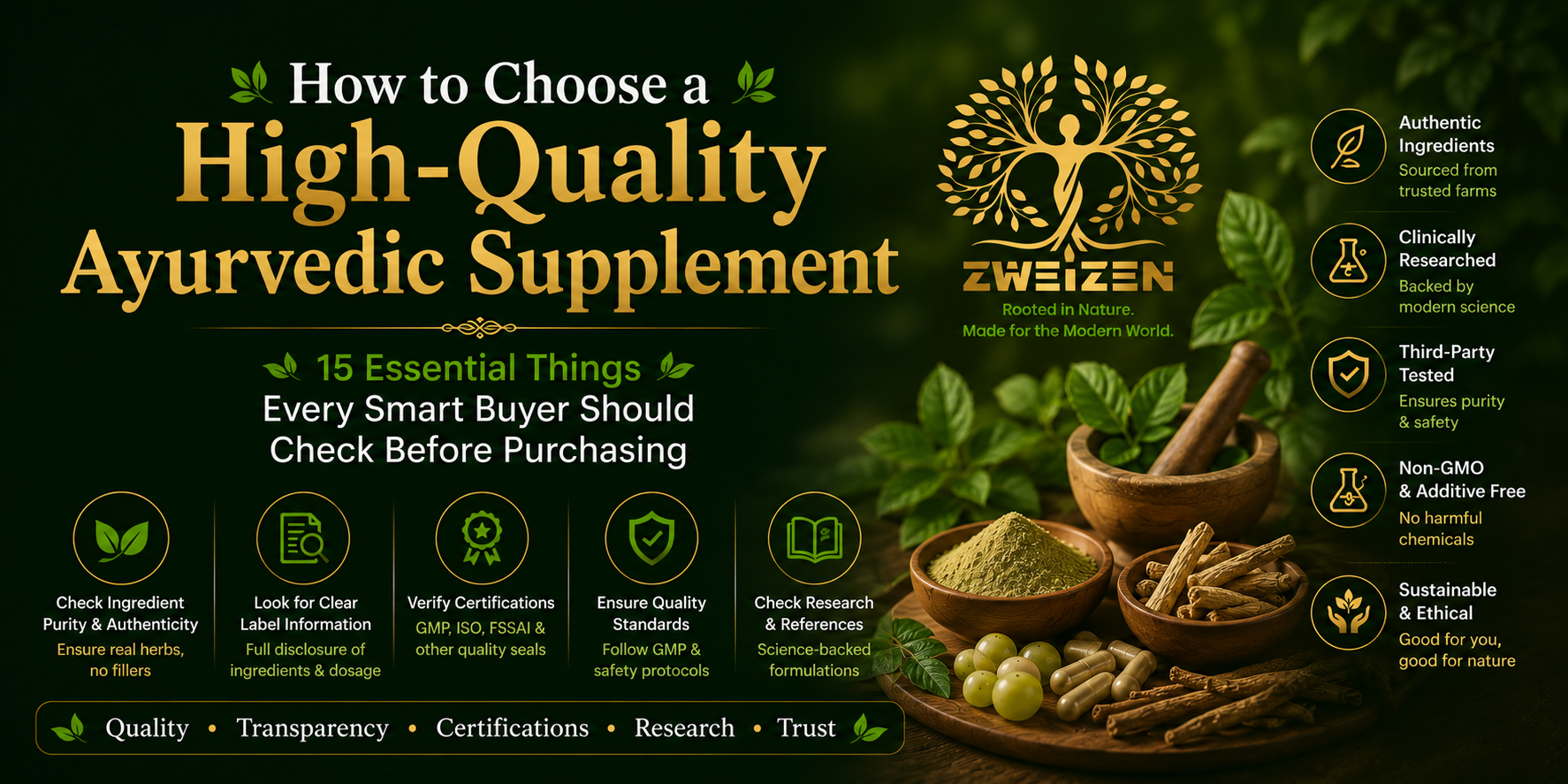
How to Choose a High-Quality Ayurvedic Supplement: 15 Things Every Buyer Should Check
Pillar 10: Responsible Supplementation
Dietary supplements may be considered by some individuals to complement a balanced diet, depending on their nutritional needs and advice from a qualified healthcare professional.
Supplements are not substitutes for a healthy diet or medical care.
When selecting supplements, consider:
- Ingredient transparency
- Appropriate serving information
- Quality systems
- Responsible labeling
- Purchasing from trusted sources
Where NutraZen Fits Into Daily Wellness
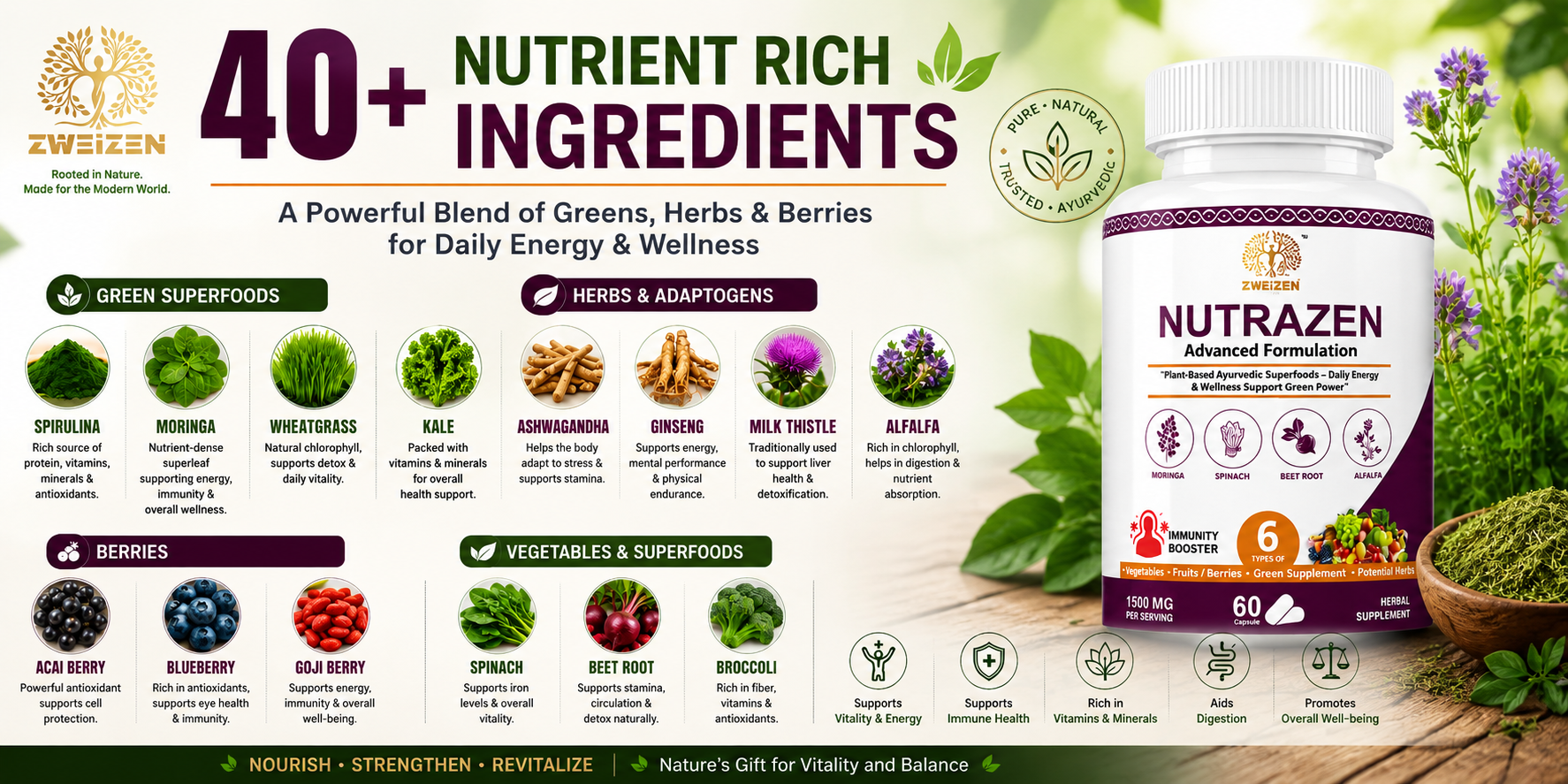
NutraZen Ayurvedic Wellness Supplement combines a variety of plant-based ingredients—including greens, herbs, vegetables and berries—such as Moringa, Spirulina, Wheatgrass, Ashwagandha, Açaí Berry and Alfalfa.
These ingredients are included to complement a balanced diet and healthy lifestyle as part of everyday wellness.
Explore NutraZen:
https://zweizen.com/product/nutrazen-ayurvedic-wellness-supplement
Where DetoxZen Fits Into Daily Wellness
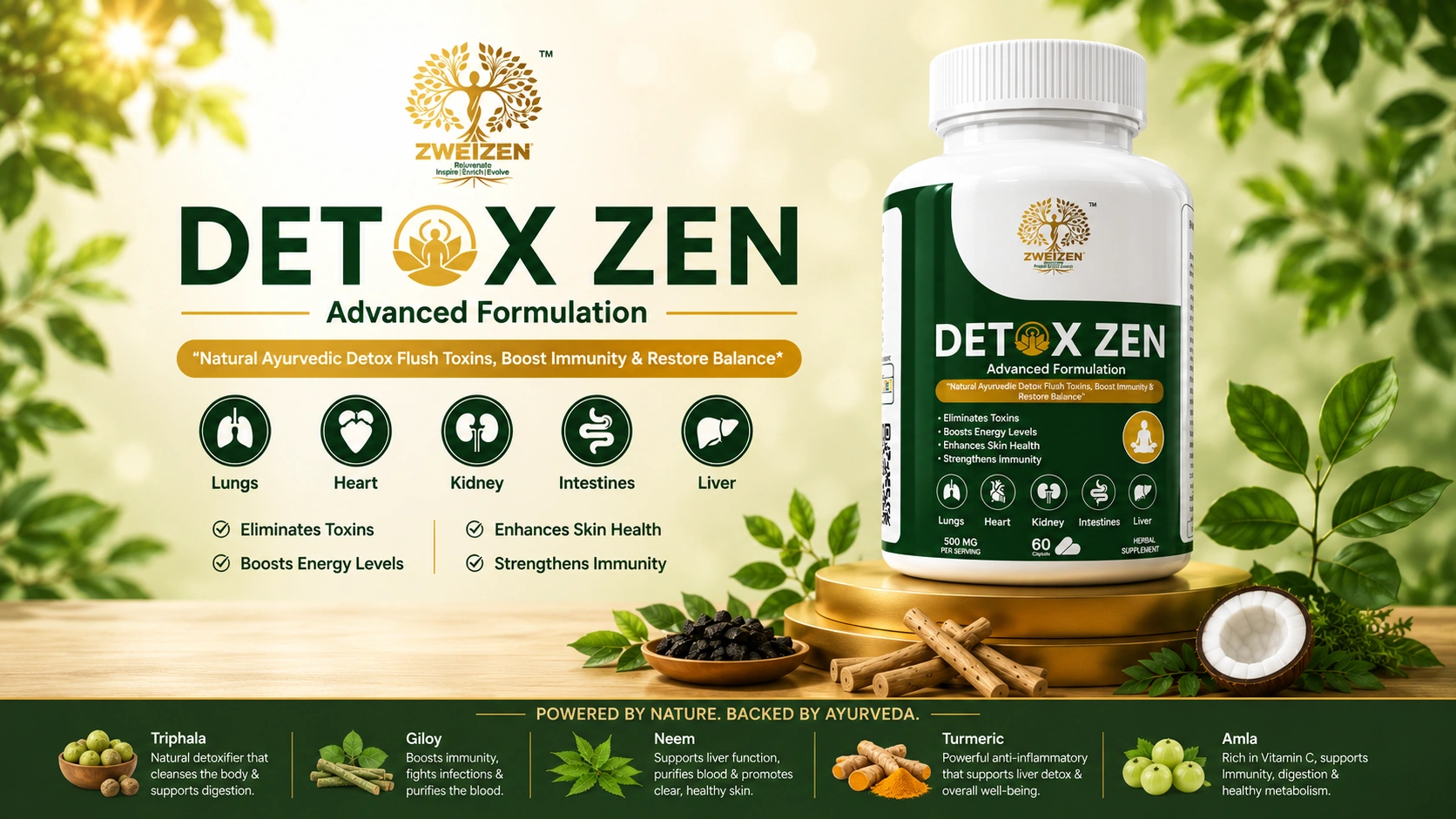
DetoxZen Advanced Formulation features a blend of botanicals including Amla, Guduchi (Giloy), Milk Thistle, Curcumin, Manjistha, Ganoderma, Grape Seed Extract, Marshmallow Root, Dill Seed and Dandelion Root.
These ingredients have a history of traditional use and are incorporated into the formulation to support general wellness as part of a healthy lifestyle. Use according to the product label.
Explore DetoxZen:
https://zweizen.com/product/detoxzen-advanced-formulation
Research Highlights
Current scientific research continues to investigate:
- Plant-based dietary patterns and long-term health
- Dietary fiber and digestive health
- Physical activity and healthy aging
- Sleep and overall wellness
- Mindfulness and stress management
- Traditional botanical ingredients and their bioactive compounds
While evidence is expanding, individual responses vary, and more research is ongoing in many areas.
Daily Preventive Healthcare Checklist
Use this practical checklist to build healthier habits:
☐ Eat a balanced diet rich in whole foods.
☐ Stay physically active.
☐ Sleep 7–9 hours each night.
☐ Manage stress through relaxation or mindfulness.
☐ Stay hydrated.
☐ Schedule routine health check-ups.
☐ Avoid tobacco and limit alcohol.
☐ Read supplement labels carefully.
☐ Choose products from transparent brands.
☐ Continue learning from trusted health resources.
Key Takeaways
- Preventive healthcare is built on consistent daily habits.
- Nutrition, movement, sleep and mental well-being are interconnected.
- Ayurveda offers lifestyle principles that complement modern wellness practices.
- Digital health technologies can support informed lifestyle choices.
- Responsible supplementation should complement—not replace—a balanced diet and healthy lifestyle.
India's Preventive Healthcare Transformation
India is experiencing one of the fastest transitions toward preventive healthcare globally. Government initiatives, digital health infrastructure, increased public awareness and growing consumer interest in nutrition and wellness are collectively reshaping the healthcare landscape.
The emphasis is no longer solely on treating illness but also on encouraging healthier lifestyles, improving access to health information and supporting early risk identification.
Government Initiatives Driving Preventive Healthcare
1. Ministry of AYUSH
The Ministry of AYUSH, Government of India, promotes traditional systems of healthcare, including:
- Ayurveda
- Yoga
- Naturopathy
- Unani
- Siddha
- Sowa-Rigpa
- Homoeopathy
The ministry supports:
- Research
- Education
- Standardization
- Public awareness
- Quality improvement
- International collaboration
Its objective is to integrate traditional knowledge with evidence-informed healthcare practices while encouraging responsible wellness education.
Official Website
2. Ayushman Bharat
Ayushman Bharat is one of India's largest healthcare initiatives, aiming to strengthen primary healthcare and improve access to medical services.
The programme includes:
- Health & Wellness Centres
- Preventive healthcare services
- Community screening
- Health education
- Early disease detection
This shift reflects increasing recognition that prevention can complement treatment and improve long-term public health outcomes.
3. Ayushman Bharat Digital Mission (ABDM)
Digital healthcare is becoming an essential component of preventive health.
ABDM promotes:
- Digital Health IDs
- Electronic Health Records
- Secure health data exchange
- Teleconsultation support
- Better continuity of care
Digital infrastructure allows individuals to manage health records more efficiently while improving communication across healthcare providers.
4. Fit India Movement
Launched to encourage active lifestyles, the Fit India Movement promotes:
- Walking
- Cycling
- Sports participation
- Workplace wellness
- School fitness
- Daily physical activity
Its broader goal is to make physical fitness part of everyday life rather than an occasional activity.
5. Eat Right India
Led by FSSAI, Eat Right India encourages healthier food choices through initiatives focused on:
- Food safety
- Balanced diets
- Nutrition awareness
- Hygiene
- Consumer education
The campaign supports informed eating habits across households, schools and workplaces.
Official Website:
Preventive Healthcare Across Indian Cities
Healthcare priorities are evolving differently across Tier 1, Tier 2 and Tier 3 cities.
Tier 1 Cities
Examples:
- Mumbai
- Delhi NCR
- Bengaluru
- Hyderabad
- Chennai
- Kolkata
- Pune
Current Trends
✔ Preventive health packages
✔ Wearable technology
✔ Smart health monitoring
✔ Corporate wellness programmes
✔ Digital consultations
✔ Personalized nutrition
✔ Functional foods
Consumers in metropolitan areas increasingly seek science-backed wellness solutions and transparent product information.
Tier 2 Cities
Examples:
- Jaipur
- Lucknow
- Surat
- Indore
- Kochi
- Chandigarh
- Nagpur
- Coimbatore
- Bhubaneswar
Emerging Trends
- Growing nutrition awareness
- Preventive diagnostics
- Increased use of wellness apps
- Online supplement purchasing
- Fitness communities
- Yoga adoption
- Preventive health check-ups
Healthcare awareness is expanding rapidly as digital access improves.
Tier 3 Cities
Smaller cities and towns are also witnessing significant changes.
Growth drivers include:
- Smartphone adoption
- Government awareness campaigns
- Telemedicine
- Better internet connectivity
- Community health programmes
- Social media education
Consumers increasingly seek reliable information about nutrition, traditional wellness and healthy lifestyles.
The Rise of Digital Preventive Healthcare
Technology is transforming how people approach health.
Popular preventive health technologies include:
- Smartwatches
- Fitness trackers
- Heart rate monitoring
- Sleep tracking
- Step counters
- Nutrition apps
- Water intake reminders
- AI-powered wellness coaching
- Telemedicine
- Electronic medical records
These tools help individuals monitor lifestyle habits and engage more actively in their own well-being.
Artificial Intelligence and Personalized Wellness
Artificial Intelligence (AI) is increasingly being used to support:
- Personalized nutrition recommendations
- Lifestyle coaching
- Health risk assessments
- Digital symptom guidance
- Predictive analytics
- Health data interpretation
AI does not replace healthcare professionals but can support informed decision-making when used responsibly.
The Future of Nutrition
Nutrition is expected to become increasingly personalized.
Emerging areas include:
- Precision nutrition
- Plant-based nutrition
- Functional foods
- Microbiome research
- Digital meal planning
- Evidence-informed dietary guidance
Consumers are becoming more interested in understanding the nutritional value and quality of the foods and supplements they choose.
Ayurveda Meets Modern Research
Ayurveda has emphasized preventive health for centuries through concepts such as:
- Dinacharya (daily routine)
- Ritucharya (seasonal routine)
- Balanced nutrition
- Agni (digestive health)
- Nidra (sleep)
- Mental balance
Modern research continues to investigate traditional botanicals and lifestyle practices to better understand their bioactive compounds and potential roles in overall wellness.
Many areas remain under active study, and evidence continues to evolve.
Research Snapshot
Researchers are exploring topics such as:
- Plant polyphenols
- Dietary fiber
- Adaptogenic botanicals
- Antioxidants
- Gut microbiome
- Lifestyle interventions
- Physical activity
- Sleep science
- Stress management
While findings are encouraging in many areas, results vary depending on study design, population and intervention, highlighting the need for continued high-quality research.
Data Insight: Consumer Behaviour
Recent market trends indicate that consumers increasingly prioritize:
- Ingredient transparency
- Scientific references
- Quality certifications
- Responsible manufacturing
- Sustainability
- Educational content
- Brand credibility
This shift is encouraging companies to invest in evidence-informed communication rather than relying solely on promotional messaging.
Where NutraZen Fits
A balanced diet remains the foundation of good nutrition.
For individuals who choose to include supplements as part of a healthy lifestyle, NutraZen Ayurvedic Wellness Supplement combines a diverse blend of plant-based ingredients, including greens, herbs, berries and vegetables.
The formulation includes ingredients such as:
- Spirulina
- Moringa
- Wheatgrass
- Ashwagandha
- Alfalfa
- Beet Root
- Spinach
- Broccoli
- Acai Berry
- Blueberry
- Goji Berry
NutraZen is designed to complement—not replace—a balanced diet and healthy lifestyle.
Learn more:
https://zweizen.com/product/nutrazen-ayurvedic-wellness-supplement
Where DetoxZen Fits
DetoxZen Advanced Formulation features ten carefully selected botanical ingredients:
- Milk Thistle
- Amla
- Guduchi (Giloy)
- Dandelion Root
- Manjistha
- Curcumin
- Ganoderma
- Grape Seed Extract
- Marshmallow Root
- Dill Seed
These ingredients have a history of traditional use and are included to complement digestive wellness and overall healthy living when used according to the product label.
Learn more:
https://zweizen.com/product/detoxzen-advanced-formulation
Looking Ahead to 2030
Experts anticipate continued growth in:
- Preventive healthcare
- Personalized wellness
- Digital health platforms
- AI-supported healthcare
- Nutritional science
- Healthy aging
- Workplace wellness
- Consumer education
- Sustainable healthcare
Individuals who prioritize healthy daily habits today may be better positioned to support their long-term well-being.
Key Takeaways
- Preventive healthcare is becoming central to modern healthcare systems.
- Government initiatives are improving access to wellness information and preventive services.
- Digital health technologies are empowering consumers.
- Ayurveda offers lifestyle principles that align with preventive wellness.
- Nutrition, exercise, sleep and mental well-being remain foundational.
- Transparency, quality and education are becoming essential in the wellness industry.
Frequently Asked Questions (FAQs)
1. What is preventive healthcare?
Preventive healthcare focuses on maintaining health and reducing risk factors before illness develops. It includes healthy eating, physical activity, quality sleep, stress management, preventive screenings, vaccinations and informed lifestyle choices.
2. Why is preventive healthcare becoming more important?
With rising rates of lifestyle-related conditions worldwide, governments, healthcare professionals and consumers are placing greater emphasis on prevention through healthy habits, early detection and health education.
3. How does Ayurveda relate to preventive healthcare?
Ayurveda has traditionally emphasized prevention through concepts such as Dinacharya (daily routine), Ritucharya (seasonal routine), balanced nutrition, healthy digestion, adequate sleep and mindful living. These principles complement many modern wellness recommendations.
4. Is preventive healthcare only about avoiding disease?
No. Preventive healthcare also aims to support long-term physical, mental and social well-being, helping individuals maintain a healthier quality of life.
5. What role does nutrition play in preventive healthcare?
Balanced nutrition provides essential nutrients that support normal body functions. Dietary patterns rich in fruits, vegetables, whole grains, legumes, nuts and seeds are widely recommended as part of a healthy lifestyle.
6. How much physical activity is recommended?
The World Health Organization recommends adults accumulate 150–300 minutes of moderate-intensity physical activity each week, or 75–150 minutes of vigorous activity, along with muscle-strengthening activities on two or more days weekly.
7. Why is sleep considered a pillar of health?
Adequate sleep supports cognitive function, emotional well-being and overall health. Most adults benefit from 7–9 hours of quality sleep each night, although individual needs vary.
8. Can stress affect overall wellness?
Long-term stress may influence sleep, lifestyle behaviors and overall well-being. Stress management practices such as mindfulness, yoga, meditation and regular physical activity can be valuable components of a healthy lifestyle.
9. What is personalized wellness?
Personalized wellness involves tailoring lifestyle recommendations—including nutrition, physical activity and health monitoring—to an individual's needs, preferences and circumstances.
10. What is preventive health screening?
Preventive screening involves routine health assessments such as blood pressure measurement, blood glucose testing, lipid profile evaluation and age-appropriate health checks. These help identify certain conditions earlier and support timely medical advice.
11. How is digital health changing preventive healthcare?
Digital health technologies such as wearable devices, mobile health applications, telemedicine and electronic health records enable individuals to monitor lifestyle habits and engage more actively in their health management.
12. What government initiatives support preventive healthcare in India?
Key initiatives include:
- Ayushman Bharat
- Ayushman Bharat Digital Mission (ABDM)
- Fit India Movement
- Eat Right India
- National Programme for Prevention and Control of Non-Communicable Diseases (NP-NCD)
- Ministry of AYUSH programs
13. What is the role of the Ministry of AYUSH?
The Ministry of AYUSH promotes traditional systems of healthcare through education, research, quality improvement and public awareness while encouraging evidence-informed approaches.
14. Can dietary supplements replace a balanced diet?
No. Dietary supplements are intended to complement—not replace—a balanced diet, regular physical activity and other healthy lifestyle practices.
15. How should I choose a wellness supplement?
Consider:
- Transparent ingredient lists
- Responsible manufacturing
- Quality systems
- Appropriate labeling
- Usage instructions
- Customer support
- Purchasing from trusted sources
For a detailed guide, read:
How to Choose a High-Quality Ayurvedic Supplement: 15 Things Every Buyer Should Check
16. How does NutraZen fit into preventive wellness?
NutraZen Ayurvedic Wellness Supplement contains a blend of nutrient-rich botanicals, greens, herbs and berries designed to complement a balanced diet and active lifestyle. It should be used according to the product label as part of an overall healthy lifestyle.
Learn more:
https://zweizen.com/product/nutrazen-ayurvedic-wellness-supplement
17. How does DetoxZen fit into preventive wellness?
DetoxZen Advanced Formulation contains a blend of Ayurvedic-inspired botanicals traditionally used in wellness practices. It is intended to complement healthy lifestyle habits and should not replace a balanced diet or medical care.
Learn more:
https://zweizen.com/product/detoxzen-advanced-formulation
18. Why is transparency important in wellness products?
Transparent brands provide clear information about ingredients, manufacturing standards, quality systems and product usage. This helps consumers make informed purchasing decisions.
19. Where can I learn more about Zweizen?
Explore:
- About Us – https://zweizen.com/about
- Our Mission – https://zweizen.com/our-mission
- Our Vision – https://zweizen.com/our-vision
- Our Core Values – https://zweizen.com/our-core-values
- Why Choose Zweizen – https://zweizen.com/why-choose-zweizen
- Quality Assurance – https://zweizen.com/quality-assurance
- Our Certifications – https://zweizen.com/our-certifications
- Sustainability – https://zweizen.com/sustainability
- Press & Media – https://zweizen.com/press-media
20. Where can I continue learning about wellness?
Explore the Zweizen Blog for educational resources on:
- Daily Ayurvedic Routine
- Top 15 Ayurvedic Superfoods
- Ayurvedic Detox
- Natural Detox Myths vs Facts
- Mindfulness and Physical Health
- Amla in Ayurveda
- Ashwagandha Root in Ayurveda
- Alfalfa in Ayurveda
- Acai Berry in Ayurveda
Research & References
Government & Regulatory
- Ministry of AYUSH – https://www.ayush.gov.in
- Food Safety and Standards Authority of India (FSSAI) – https://www.fssai.gov.in
- Ayushman Bharat Digital Mission – https://abdm.gov.in
- Fit India – https://fitindia.gov.in
International Organizations
- World Health Organization (WHO) – https://www.who.int
- NIH Office of Dietary Supplements – https://ods.od.nih.gov
- National Center for Biotechnology Information (NCBI) – https://www.ncbi.nlm.nih.gov
Classical Ayurvedic Texts
- Charaka Samhita
- Sushruta Samhita
- Ashtanga Hridaya
Learn More About Zweizen
At Zweizen, we believe informed consumers make better wellness decisions. Our commitment extends beyond products to education, transparency and continuous improvement.
Explore our commitment:
-
About Us
https://zweizen.com/about -
Our Mission
https://zweizen.com/our-mission -
Our Vision
https://zweizen.com/our-vision -
Our Core Values
https://zweizen.com/our-core-values -
Why Choose Zweizen
https://zweizen.com/why-choose-zweizen -
Quality Assurance
https://zweizen.com/quality-assurance -
Our Certifications
https://zweizen.com/our-certifications -
Sustainability
https://zweizen.com/sustainability -
Press & Media
https://zweizen.com/press-media
Related Articles
Strengthen your understanding of preventive wellness with these guides:
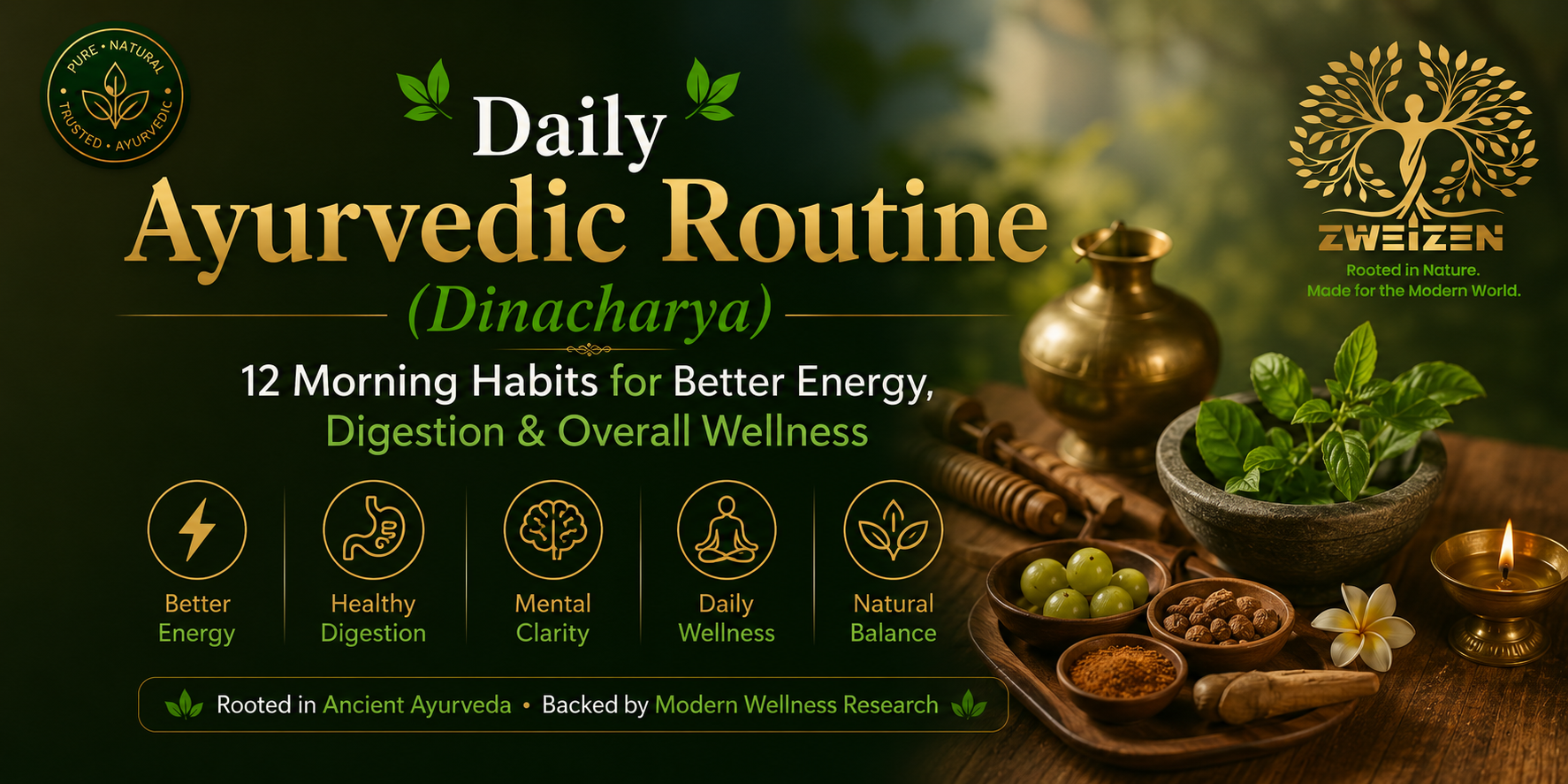
- Daily Ayurvedic Routine (Dinacharya): 12 Morning Habits for Better Energy, Digestion & Overall Wellness
- Top 15 Ayurvedic Superfoods for Daily Energy, Immunity & Overall Wellness
- How to Choose a High-Quality Ayurvedic Supplement
- Ayurvedic Detox Explained
- Natural Detox Myths vs Facts
- How Mindfulness Supports Physical Health
- Amla in Ayurveda
- Ashwagandha Root in Ayurveda
- Alfalfa in Ayurveda
- Acai Berry in Ayurveda
Final Thoughts
The future of healthcare is becoming increasingly proactive. Advances in nutrition science, digital health, public health initiatives and traditional wellness knowledge are encouraging individuals to take a more active role in maintaining their well-being.
Preventive healthcare is not about finding a single solution—it is about building sustainable habits over time. Balanced nutrition, regular movement, quality sleep, stress management, preventive check-ups and informed choices form the foundation of lifelong wellness.
As consumers become more informed, transparency, quality and evidence-based education will continue to shape the future of the wellness industry. Brands that prioritize these principles can contribute to a more informed and health-conscious society.
Reviewed by Zweizen Editorial Team
This article has been reviewed by the Zweizen Editorial Team to ensure consistency with publicly available scientific literature, Ayurvedic educational principles and responsible wellness communication.
Last Updated: June 2026
Disclaimer
This article is intended for educational and informational purposes only. It is not intended to diagnose, treat, cure or prevent any disease and should not be considered a substitute for professional medical advice. Always consult a qualified healthcare professional before making significant changes to your diet, exercise routine or supplement use, especially if you are pregnant, breastfeeding, taking medication or managing a medical condition.
Recent Posts
The Wellness Industry Doesn’t Have a Product Problem. It Has a Trust Problem. | Zweizen
The Future of Preventive Healthcare: Why Daily Wellness, Nutrition & Lifestyle Matter More Than Ever
How to Choose a High-Quality Ayurvedic Supplement: 15 Things Every Buyer Should Check
Daily Ayurvedic Routine (Dinacharya): 12 Morning Habits for Better Energy, Digestion & Overall Wellness
How Mindfulness Supports Physical Health: The Mind-Body Connection Explained
Natural Detox Myths vs Facts: What Your Body Really Needs for Effective Cleansing

Ayurvedic Detox Explained: 10 Powerful Botanicals for Gut Health, Daily Cleansing & Wellness Support
Top 15 Ayurvedic Superfoods for Daily Energy, Immunity & Overall Wellness
About Zweizen Private Limited